


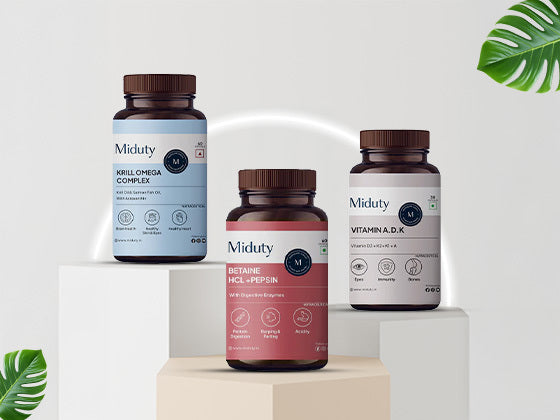


Excess vitamin D, also known as vitamin D toxicity or hypervitaminosis D, occurs when the body has an abnormally high level of vitamin D, usually owing to excessive supplement use. It can cause a variety of health concerns. In this blog, we will talk about excess vitamin D.
What Causes High Vitamin D Levels?

Excess vitamin D, also known as vitamin D toxicity or hypervitaminosis D, occurs when the body has an abnormally high level of vitamin D, usually owing to excessive supplement use. It can cause a variety of health concerns. Excess vitamin D risk factors include hypercalcemia, renal damage, soft tissue calcification, bone pain and weakness, and gastrointestinal difficulties.
Overuse of Supplements: A Common Culprit

Yes, overuse of supplements is a common culprit in the development of vitamin D toxicity. While vitamin D is crucial for bone health, immune function, and overall well-being, excessive supplementation can lead to harmful consequences. Here’s a breakdown of how overuse of supplements contributes to high vitamin D levels:
-
Vitamin D supplementation in high doses: The recommended daily allowance (RDA) for vitamin D varies depending on age, sex, and health conditions. For most adults, it’s around 600–800 IU/day, with a tolerable upper intake level (UL) of 4,000 IU/day. Taking much more than this, especially over long periods, can cause vitamin D toxicity.
-
Self-prescribing without medical guidance: Many people take large amounts of vitamin D without consulting a doctor, believing that it will strengthen their immunity or improve other health issues. Without medical supervision, it is easy to exceed the recommended limits, especially since vitamin D is a fat-soluble vitamin that can build up in the body over time. People may also take various vitamin D supplements (such as multivitamins, bone health formulations, or fish oil) without recognizing the total amount.
-
Long-term use of high doses: Even if you’re taking high doses intermittently, or for extended periods, the cumulative effect can result in dangerously high vitamin D levels. The body doesn’t excrete excess vitamin D as easily as water-soluble vitamins, so the risk of toxicity increases with prolonged overuse.
-
Role of fat-soluble vitamins: Vitamin D is fat-soluble, which means it is stored in fat cells for future use. If supplementation exceeds the body's needs for a lengthy period of time, this storage can produce systemic accumulation. Unlike water-soluble vitamins (such as vitamin C or B vitamins), which the body flushes out more easily, excess vitamin D is not immediately eliminated, raising the risk of toxicity with repeated overconsumption.
-
Risk of overcompensating: A multitude of individuals assert that surpassing the advised daily intake is advantageous for their health, particularly when they encounter information regarding prospective benefits, such as enhancing the immune system or averting infections. Symptoms of toxicity, including nausea, fatigue, and renal complications, may not manifest immediately, leading individuals to be unaware of their excessive intake until considerable damage has transpired.
-
Importance of monitoring vitamin D levels: It's important to get your blood levels monitored frequently if you use vitamin D supplements, particularly if your dosages are near or beyond the recommended upper limits. This lowers the possibility of toxicity and guarantees that you are getting just enough to maintain optimal health.
Medical Conditions Leading to Excess Vitamin D

Certain medical conditions can result in an excess of vitamin D in the body, whether through increased production, absorption, or metabolism. These illnesses can disrupt the normal regulation of vitamin D levels, resulting in toxicity even without an excessive dose. The following are the primary medical problems that might cause high vitamin D:
-
Granulomatous diseases: Sarcoidosis, tuberculosis (TB), and certain fungal infections like histoplasmosis or coccidioidomycosis. These diseases involve the formation of granulomas (inflammatory cells that form in response to infection or inflammation), which can produce an enzyme that activates vitamin D. This leads to increased levels of active vitamin D (calcitriol) in the body, raising calcium levels and potentially causing hypercalcemia (elevated calcium in the blood). The overproduction of vitamin D in these cases often occurs independently of vitamin D intake, leading to excessive calcium absorption and resulting in symptoms of vitamin D toxicity.
-
Lymphoma: Hodgkin's lymphoma, non-Hodgkin's lymphoma, and certain other lymphatic malignancies. Some malignancies, particularly lymphomas, can create a chemical known as 1,25-dihydroxyvitamin D, the active form of vitamin D. This results in elevated calcium levels and possible vitamin D toxicity. In certain circumstances, malignant cells may affect normal calcium and vitamin D metabolism, resulting in high vitamin D levels in the blood, which can cause hypercalcemia, renal injury, and other complications.
-
Hyperparathyroidism: Secondary hyperparathyroidism is less prevalent than primary hyperparathyroidism. The parathyroid glands regulate calcium and phosphorus levels in the bloodstream. Primary hyperparathyroidism occurs when the parathyroid glands overproduce parathyroid hormone (PTH), increasing the generation of active vitamin D. This causes greater calcium absorption and higher vitamin D levels. This causes elevated blood calcium levels, which can lead to bone loss, kidney stones, and other calcium and vitamin D-related problems over time.
-
Williams Syndrome: A uncommon genetic condition with unique facial traits, developmental disabilities, and cardiovascular problems. A genetic mutation that increases the body's sensitivity to vitamin D produces increased calcium absorption and vitamin D metabolism in people with Williams syndrome. This can cause hypercalcemia and vitamin D toxicity even in the absence of excess intake from supplements or food.
-
Chronic Kidney Disease (CKD): Chronic kidney disease or kidney failure. In kidney disease, the kidneys' ability to convert vitamin D to its active form (calcitriol) is impaired. However, in some situations, the kidneys can compensate by making more active vitamin D, which results in higher levels. In the latter stages of renal disease, the body's calcium and phosphorus homeostasis is disrupted, exacerbating the consequences of elevated vitamin D. High vitamin D levels can further disrupt calcium balance, resulting in hypercalcemia, bone discomfort, and kidney injury.
-
Hyperthyroidism: Overactive thyroid, as seen in Graves' disease or thyroiditis. Hyperthyroidism can occasionally make tissues more sensitive to vitamin D, resulting in higher levels of active vitamin D. This can also improve calcium absorption in the intestines. Elevated vitamin D and calcium levels can cause bone resorption, kidney stones, and soft tissue calcification.
-
Medications: Some medications can lead to excess vitamin D levels as a side effect, either by increasing vitamin D absorption or by promoting the body’s production of the active form. These drugs, used to treat high blood pressure, can increase calcium levels in the blood and may interact with vitamin D metabolism. Some drugs used to treat epilepsy (such as phenytoin and phenobarbital) can increase the breakdown of vitamin D, leading to imbalances. Long-term use of steroids can reduce calcium absorption and interfere with vitamin D metabolism, potentially leading to both deficiency and toxicity under certain conditions.
-
Pregnancy (Rare): Pregnancy, especially in women with comorbid conditions like hyperparathyroidism. The body experiences major hormonal changes during pregnancy, which may have an impact on the control of calcium and vitamin D. Higher-than-normal amounts of active vitamin D may occasionally result from these alterations, particularly in patients who already have metabolic dysfunction.
Dietary Sources and Fortified Foods Impact

The most prevalent cause of toxicity is high vitamin D intake from supplements, although fortified foods and dietary sources can also raise levels, but this is less common. An outline of how vitamin D levels are impacted by dietary sources and fortified foods is provided below:
-
Dietary sources of vitamin D: Vitamin D is found in a variety of foods, though it's naturally present in few options. Fatty fish, cod liver oil, beef liver, egg yolks, cheese, and mushrooms (UV-exposed) are the most common dietary sources.
-
Fortified foods and their impact: Fortified foods contain vitamin D, which is often added to help prevent deficiencies in populations that do not obtain enough from natural sources or sunlight. Fortified milk, fortified plant-based milks, fortified morning cereals, fortified orange juice, fortified yogurt, fortified margarine, and fortified bread and other baked goods are the most prevalent sources of vitamin D in modern diets.
Symptoms and Health Risks of Excess Vitamin D

Excess vitamin D, also known as vitamin D toxicity, occurs when the body has an excessive quantity of vitamin D, which is typically caused by the misuse of supplements or fortified foods. While vitamin D is essential for bone health, immune function, and overall well-being, excessive use can have serious health consequences.
-
Symptoms of excess vitamin D: Vitamin D poisoning symptoms are mostly caused by hypercalcemia (high calcium levels in the blood), which occurs when there is an excess of vitamin D. When calcium levels become too high, they can have an impact on many different systems in the body. The following are the main symptoms: gastrointestinal, renal (kidney), bone and joint, cardiovascular, and neurological disorders.
-
Health risks of excess vitamin D: Long-term vitamin D poisoning can cause serious and long-term health issues. Kidney disease, cardiovascular damage, bone loss and weakness, gastrointestinal difficulties, and the danger of calcinosis are among the most serious hazards.
Early Signs of Vitamin D Toxicity

Early indicators of vitamin D intoxication might be subtle and easily confused for other health conditions. It is vital to notice these symptoms early on to avoid more severe consequences connected with high vitamin D levels. The early signs are typically related to the elevated calcium levels (hypercalcemia) that occur as a result of vitamin D toxicity. Some of the early warning signs to look out for gastrointestinal symptoms, excessive thirst and frequent urination, fatigue and weakness, headaches and dizziness, confusion and cognitive changes, bone pain and joint discomfort, and mild elevation in calcium .
Impact on Calcium Levels and Bone Health

Vitamin D improves calcium absorption in the intestine and regulates calcium and phosphorus levels in the blood. Excess vitamin D, on the other hand, can cause hypercalcemia, a condition in which calcium levels in the blood are increased. This happens because high levels of vitamin D boost calcium absorption in the gut and enhance calcium release from bones into the bloodstream.
-
Hypercalcemia (High Calcium Levels): The primary effect of vitamin D toxicity is hypercalcemia, which can cause a variety of symptoms such as nausea, vomiting, fatigue, confusion, and excessive thirst and urination. High calcium levels can disrupt the normal operation of many organs and systems, including the kidneys, heart, and nervous system.
-
Increased calcium absorption: Excessive vitamin D leads to over-absorption of calcium from the digestive tract, which can elevate calcium levels in the blood to dangerous levels. This often exceeds the body's ability to regulate calcium balance.
-
Calcium leaching from bones: The release of calcium from bones into the bloodstream can also be stimulated by elevated calcium levels. Bone resorption is a process that weakens bones over time and raises the risk of fractures. Bone demineralization occurs when calcium is removed from bones faster than it can be replaced, leading to a reduction in bone density.
-
Calcification of soft tissues: Chronic high calcium levels can lead to calcification in soft tissues, such as the kidneys, blood vessels, and lungs. This can impair organ function and lead to conditions like kidney stones or arterial stiffness.
Impact on bone health
Although vitamin D is essential for healthy bones and aids in controlling the metabolism of calcium and phosphorus, too much of it can have the opposite effect and break down bones.
-
Bone weakening (Osteomalacia and Osteoporosis): Osteomalacia is a calcium/phosphorus imbalance that causes soft, fragile bones. It may be caused by an excess of vitamin D. This occurs because excess calcium leaches out of the bones, reducing mineral density and strength. Prolonged vitamin D deficiency can result in osteoporosis, a condition in which bones become brittle and more susceptible to fractures. High calcium levels can cause bone resorption (breakdown), which leads to a loss in bone density.
-
Increased risk of fractures: As calcium is withdrawn from the bones, they lose density and strength, increasing the likelihood of fracture. This is especially alarming for older people, who are already at a higher risk of bone fragility.
-
Abnormal bone growth: In children, excessive vitamin D can interfere with normal bone growth, leading to rickets, a condition characterized by soft and weakened bones. Although rare, this can still occur if vitamin D levels become extremely high in young children.
-
Calcification of Joints: When calcium levels rise too high, calcium deposits can accumulate in joints and soft tissues, leading to joint stiffness, pain, and reduced mobility. This can impair joint function and contribute to discomfort and long-term damage.
Potential Effects on Kidney Function

Excessive vitamin D can have a major impact on kidney function, primarily due to hypercalcemia (high calcium levels in the blood). The kidneys play an important function in removing excess calcium from the body, but when calcium levels rise too high, they can get overwhelmed, resulting in possible injury and other kidney-related problems.
-
Kidney stones: Kidney stones are among the most common adverse effects of elevated vitamin D levels. Excess calcium may crystallize in the kidneys and result in the formation of stones if calcium levels become too high. Kidney stones can be extremely uncomfortable (often described as one of the most excruciating forms of pain) and can impede the normal flow of urine, which can result in further problems including kidney damage or urinary tract infections (UTIs).
-
Nephrocalcinosis: It occurs when excessive calcium deposits build up in the renal tissues. This illness is frequently the outcome of prolonged hypercalcemia induced by vitamin D poisoning. Over time, nephrocalcinosis can harm kidney tissue, reducing the kidneys' ability to filter blood and maintain fluid balance. If not addressed, this can result in impaired kidney function or chronic renal disease.
-
Kidney damage or kidney failure: The kidneys are responsible for filtering and excreting excess calcium from the bloodstream. However, in cases of vitamin D toxicity, the kidneys become overwhelmed with high calcium levels. Excessive calcium can damage the kidneys' filtration system, leading to acute kidney injury. Symptoms of AKI can include decreased urine output, swelling, and high blood pressure. As the kidneys' capacity to filter waste products deteriorates with time, prolonged exposure to elevated calcium levels can lead to the development of chronic kidney disease (CKD).
-
Increased risk of kidney stones recurrence: People who have had kidney stones in the past may be more susceptible to developing them again if they experience elevated calcium levels from vitamin D toxicity. Excessive calcium in the bloodstream can trigger the formation of new stones, leading to recurrent kidney stone problems.
-
Impaired vitamin D metabolism: The kidneys are responsible for converting vitamin D into its active form, calcitriol, which helps regulate calcium and phosphorus levels. When the kidneys are damaged by excess calcium or calcification, their ability to activate vitamin D is impaired, which could lead to further imbalances in calcium metabolism. Vitamin D-Dependent Rickets Type 1 (VDDR1) is a rare inherited condition that affects the kidneys' ability to convert vitamin D into its active form, although it is unrelated to toxicity. However, kidney dysfunction caused by excessive vitamin D can cause symptoms similar to vitamin D deficiencies or imbalances in calcium levels.
Managing and Preventing Vitamin D Overdose

Preventing and managing vitamin D overdose entails carefully monitoring your intake from all sources (sun, diet, and supplements), sticking to recommended amounts, and seeking professional advice if you plan to take higher quantities. Regular blood tests are essential for persons who take supplements for an extended period of time or at greater dosages. If you encounter symptoms of vitamin D poisoning, seek medical attention right once to avoid serious problems.
Safe Dosage Guidelines for Vitamin D Intake

The safe vitamin D intake varies according to age, health, and lifestyle factors. The recommended daily dose for most adults is 600-800 IU, with a maximum of 4,000 IU to avoid toxicity. Those at risk of insufficiency may require higher doses, but it is critical to monitor levels via blood tests and modify dosages accordingly. Before making any changes to your vitamin D regimen, always contact your doctor, especially if you're thinking about taking high-dose supplements or have underlying health issues.
When to Seek Medical Attention for Toxicity

Early detection of vitamin D poisoning symptoms is critical for avoiding significant health problems. Vitamin D toxicity is primarily induced by taking large amounts of vitamin D supplements over a lengthy period of time, often at dosages above 10,000 IU per day. The primary worry with toxicity is hypercalcemia (excess calcium levels), which can harm the kidneys, bones, and other organs.
Tips for Maintaining Optimal Vitamin D Levels

Maintaining adequate vitamin D levels is essential for bone health, immune function, and overall well-being. Vitamin D improves calcium absorption, controls mood, and lowers inflammation. Some effective tips for maintaining healthy vitamin D levels include getting regular sun exposure, incorporating vitamin D-rich foods into your diet, taking vitamin D supplements as needed, maintaining a healthy weight, monitoring your vitamin D levels, being aware of medications that affect vitamin D, considering UV lamps or bulbs, supporting gut health, avoiding excessive alcohol consumption, and understanding vitamin D toxicity.
Final Thoughts: Ensuring Safe Vitamin D Levels for Health

It happens when the renal tissues accumulate an excessive amount of calcium deposits. This disease is often the result of chronic vitamin D poisoning-induced hypercalcemia. Nephrocalcinosis has the potential to damage kidney tissue over time, which would impair the kidneys' capacity to filter blood and preserve fluid balance. Chronic renal disease or reduced kidney function may follow if this is not treated.