Toenail Fungus: How to Treat, Prevent and Heal Fast
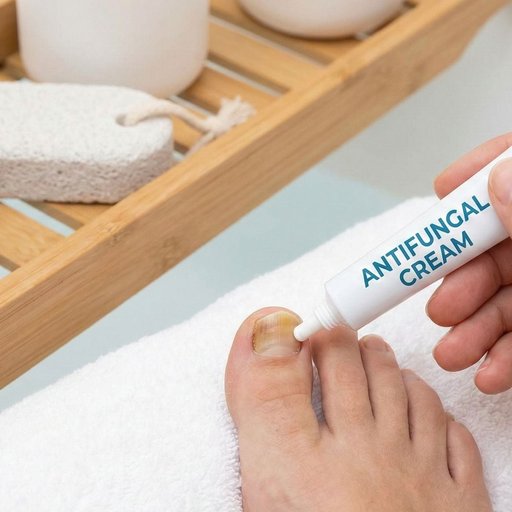
Toenail fungus is a common but stubborn infection that affects the nails, causing discoloration, thickening, brittleness, and sometimes discomfort. It often begins as a small white or yellow patch beneath the nail tip and gradually worsens if left untreated. Over time, the nail may darken, crumble at the edges, or even lift from the nail bed.
Although fungal toenail is not usually dangerous, it rarely goes away on its own. Without proper care, the infection can spread to other nails and become more difficult to treat. The good news is that early diagnosis and the right combination of treatment and preventive measures can help restore healthy nail growth.
In this blog, we will discuss what causes toenail fungus, how to recognize its symptoms, the most effective treatment options available, and practical steps to prevent it from coming back.
Understanding Toenail Fungus and Its Impact

Toenail fungus, medically known as onychomycosis, is a common nail infection caused by microscopic fungi that invade the nail, nail bed, or surrounding skin. It typically begins when fungi enter through tiny cracks in the nail or small cuts in the surrounding skin. Because fungi thrive in warm, moist environments, toenails are especially vulnerable, particularly when feet are confined in shoes and socks for long periods.
The infection usually starts as a small white or yellow spot beneath the tip of the nail. As it progresses, the nail may become discolored, thickened, brittle, or crumbly. Over time, the nail can change shape, develop ridges, or even lift away from the nail bed, a condition known as onycholysis. In more advanced cases, multiple nails may be affected.
Although toenail fungus is not typically dangerous, it can cause discomfort and embarrassment. Thickened nails may create pressure inside shoes, leading to pain while walking or exercising. If left untreated, the infection can persist for years and may spread to other nails or the surrounding skin. People with diabetes, poor circulation, weakened immune systems, or increasing age are at greater risk of complications, including secondary bacterial infections.
Early recognition and timely treatment are important to prevent the infection from worsening and to support healthy nail regrowth.
Common Causes of Toenail Fungus Infection
Fungi infiltrate the nail bed and surrounding tissues, causing toenail fungus, also known as onychomycosis. While anyone can develop the infection, certain factors and habits heighten the risk. One of the most common causes is prolonged exposure to warm, moist conditions. Public areas like swimming pools, gyms, and communal showers provide perfect conditions for fungus growth. Walking barefoot in these locations increases the likelihood of direct contact with fungus spores.
Another significant factor is poor foot hygiene. Not washing your feet on a regular basis, neglecting to dry them properly, or wearing dirty socks and shoes can trap moisture and promote the growth of fungi. Tight or non-breathable footwear also creates a humid atmosphere in which illnesses can develop quickly.
Nail damage or injury might make toenails more susceptible. Even minor fissures, cuts, or separations between the nail and the nail bed give access opportunities for fungus. People who put repetitive strain on their feet, such as athletes or laborers who wear heavy boots, are at a higher risk.
Underlying health issues also play a part. Diabetes, reduced immune systems, poor circulation, and age impair the body's ability to fight infections. This explains why fungal toernail is more prevalent in older individuals.
Common Signs & Symptoms
Toenail fungus normally develops slowly; therefore, early detection is critical for effective treatment. The infection typically starts slowly but worsens over time, impacting both the appearance and health of the nails.
One of the earliest symptoms is discoloration. White, yellow, or brown patches may appear on the nail's tip or borders. Over time, the discoloration may spread over the entire nail. Thickening of the nail is another common symptom, making it difficult to trim and uncomfortable to wear shoes.
Affected nails frequently become brittle, crumbly, or flaky. Pieces of the nail can break off or peel away from the nail bed. In severe circumstances, the nail may entirely split from the nail bed, a condition known as onycholysis, which raises the risk of subsequent infections. Changes in texture and shape are also common. Infected nails can become deformed, distorted, or ridged, and they may feel rough or sharp to the touch. Pain or soreness can occur in more severe cases, especially when pressure is applied while walking or wearing shoes.
Odors might occur as a result of fungal development and debris deposition under the nail. It is crucial to know that fungal toenail seldom goes away on its own, and neglecting early symptoms can lead to a more serious infection and longer treatment. Recognizing these warning indicators early enables a more prompt response. Treating fungal toenail in its early stages increases the chances of a successful recovery, reduces discomfort, and keeps the infection from spreading to other nails or the surrounding skin.
Treatment Options for Toenail Fungus
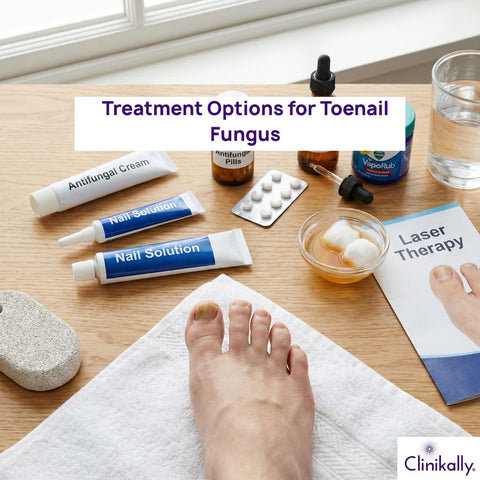
Treating toenail fungus requires patience and the right approach based on how advanced the infection is. Because the fungus lives beneath the nail surface, it can be difficult to eliminate completely without consistent care. Mild infections may respond to topical or over-the-counter antifungal treatments, while more persistent or widespread cases often require prescription medications that work from within the body. In recent years, advanced options such as laser therapy have also become available for resistant infections.
Since toenails grow slowly, visible improvement can take several months, even after the infection is under control. Choosing the correct treatment early increases the likelihood of full recovery and helps prevent the fungus from spreading to other nails.
Home Remedies
Although this problem can be difficult to treat, there are several home remedies for toenail fungus that may be helpful in mild cases when combined with medical treatment. While these cures are generally harmless, they work best when applied regularly over time.
-
Tea tree oil is a popular choice for its inherent antifungal and antibacterial characteristics. Applying a few drops of diluted tea tree oil to the afflicted nail twice a day may offer mild supportive benefits in early or minor cases.
-
Vinegar soaks might also assist. Adding one part white or apple cider vinegar to two parts warm water and bathing the feet for 15–20 minutes daily generates an acidic environment that suppresses fungal growth.
-
Vicks contains menthol and eucalyptus oil, which may have minor antifungal properties. Applying a tiny layer to the nail daily has demonstrated improvement in some situations, although the data is primarily anecdotal.
-
Other therapies include garlic, which contains antifungal chemicals, and oregano oil, which contains thymol, an antibacterial. Both can be used topically as diluted solutions or as foot soaks.
-
In addition to these solutions, it is critical to maintain a proper foot care routine keeping nails trimmed, feet dry, and shoes clean. To prevent reinfection, avoid walking barefoot in public places and change your socks every day.
While home remedies can help decrease fungal development and improve nail look, they are rarely effective for severe infections. Combining them with medical treatments, preventive care, and patience can speed up healing and reduce recurrence.
Over-the-Counter Treatment
For mild to moderate toenail fungus, over-the-counter (OTC) antifungal medications can be an effective first step in treatment. When used regularly, these products assist in limiting fungal growth, minimizing nail discoloration, and promoting healthy nail regrowth.
-
Antifungal creams and ointments containing clotrimazole or terbinafine are among the most popular over-the-counter remedies. These are administered directly to the afflicted nail and surrounding skin to inhibit fungus growth. While topical medications can treat superficial infections, they frequently have limited penetration into the nail, so effects may take many months.
-
Medicated nail lacquers, such as those containing ciclopirox, are another popular OTC choice. These are painted on the nail once a day to prevent fungus spores from growing. To be most effective, lacquers must be applied on a regular basis and kept clean.
-
Antifungal powders and sprays are effective at preventing recurrence, especially for people who have sweaty feet or are prone to fungal infections. They can be placed inside shoes or on the foot to create a dry, unfriendly environment for fungi.
-
It is critical to follow directions precisely, as irregular use diminishes effectiveness. Regular nail trimming, keeping feet clean and dry, and changing socks on a daily basis all improve the effectiveness of over-the-counter remedies.
While OTC antifungal treatments may be effective for minor infections, moderate or severe instances sometimes necessitate prescription medications or combination therapy for complete clearance. Early treatment improves chances of recovery and keeps the infection from spreading to neighboring nails or the surrounding skin.
Prescription Medications
When toenail fungus grows serious or infects numerous nails, over-the-counter remedies are frequently ineffective. In such circumstances, dermatologists recommend drugs that function systemically or penetrate the nail more effectively to treat the infection.
-
Oral antifungal medicines are the most frequently prescribed alternative. Terbinafine and itraconazole are used on a daily or short-term basis, depending on the severity of the infection. These drugs attack the fungus from within, allowing the new nail to develop without infection. Treatment usually lasts a few weeks to months. Because oral antifungals might impair liver function, clinicians frequently monitor blood tests during treatment.
-
Patients who are unable to take oral drugs or who have localized infections may benefit from prescription-strength topical antifungals. These include stronger concentrations of medicinal lacquers, lotions, or solutions that enter the nail more deeply than over-the-counter medications.
-
In some circumstances, a combination of oral and topical therapies may be utilized to increase efficacy, particularly when infections are resistant or reoccurring.
-
Nail debridement or removal is occasionally recommended for thicker, uncomfortable, or severely damaged nails. Removing the diseased nail allows medication to be more successful in treating the fungal infection and encourages healthy nail growth.
-
Prescription therapies are especially necessary for people who have diabetes, poor circulation, or immunological problems, as untreated fungal toenail can cause difficulties. With careful medical care, severe fungal infections can be successfully treated, restoring nail health and preventing reinfection.
Laser and Advanced Treatments
For recalcitrant or severe toenail fungus that does not respond to typical topical or oral drugs, laser therapy and other sophisticated therapies are becoming more popular. These techniques address the fungal infection more directly, generally with faster results and fewer systemic side effects.
Laser treatment uses focused light energy to penetrate the nail and kill fungus spores. The laser's heat kills the fungus while essentially preserving the surrounding tissue. Depending on the severity of the infection, additional sessions may be necessary over several weeks. Laser therapy is generally painless, does not require anesthesia, and patients can resume regular activities immediately.
Photodynamic therapy is another advanced treatment option. It employs light-activated chemicals applied to the nail, which generate reactive oxygen species that kill fungus cells. While less frequent than laser therapy, it can be helpful when used with topical or systemic antifungal medications.
In severe or persistent situations, surgical nail removal may be indicated. Removing the infected nail enables for direct application of antifungal drugs and promotes the formation of a healthy nail.
These sophisticated treatments are especially beneficial for people who have thickened nails, repeated infections, or medical factors that make oral antifungals dangerous, such as liver illness. While they may be pricier than traditional medicines, their focused approach may be considered in resistant cases, though results can vary.
Preventing Toenail Fungus
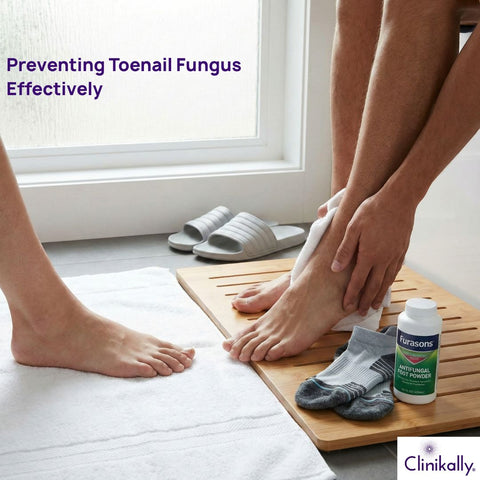
Toenail fungus is far easier to prevent than to treat after it has developed. Fungi grow in warm, damp conditions, so keeping feet clean, dry, and sheltered is essential for maintaining healthy nails.
-
Foot hygiene is the first step. Wash your feet every day with mild soap and water, and make sure to fully dry between the toes. Moisture trapped beneath nails and between toes provides an ideal environment for fungal growth. Changing socks at least once a day, or more frequently if your feet sweat, can help avoid fungal infections.
-
Proper footwear is also vital. Choose breathable shoes made of leather or mesh to minimize humidity within the shoe. Avoid wearing tight or non-ventilated shoes for extended periods of time. To avoid direct contact with fungal spores in public places like gyms, pools, or showers, always wear protective footwear such as flip-flops or water shoes.
-
It is also important to take care of your nails. Trim nails straight across and short to limit the possibility of fungus entering cracks. Disinfect nail clippers and don't share them with others.
-
Using antifungal powders or sprays in shoes or on the feet can help to lessen the risk, particularly for persons who have sweaty feet or have had several infections.
Finally, monitor your nails on a regular basis. Early diagnosis of discolouration, thickness, or brittleness enables rapid treatment before the fungus spreads.
Hygiene Habits
Maintaining good cleanliness is one of the most effective strategies to prevent fungal toenail and keep your nails healthy. Fungi grow in warm, damp conditions, so excellent habits can make a big impact.
-
Daily cleaning is vital. Wash your feet with gentle soap and water, paying close attention to the crevices between your toes. Thorough drying thereafter prevents moisture from gathering under the nails and in skin folds, lowering the risk of fungal growth.
-
Regular nail clipping is another crucial habit. Cut nails straight across, avoiding sharp corners that could grab on socks or shoes. Shorter nails minimize the possibility of fungal spores entering cracks or detaching the nail from the nail bed. To avoid cross-contamination, always disinfect nail clippers or scissors after each use, and do not share them with others.
-
Wearing clean socks every day is critical. Choose moisture-wicking fabrics like cotton or specialist athletic socks, especially if your feet sweat frequently. Changing socks during the day after extended activity keeps feet dry and less favorable to fungi.
Footwear and Lifestyle Tips
Preventing toenail fungus extends beyond sanitation; your footwear and everyday routines can have a significant impact on nail health. Fungi prefer warm, humid conditions; thus, decreasing moisture and boosting air circulation are essential.
-
Choose breathable shoes made from leather, canvas, or mesh. These let air flow, keeping feet dry and less conducive to fungal growth. Avoid tight, non-ventilated shoes that trap sweat, and rotate your shoes daily to allow them to fully air out between uses.
-
Wear moisture-wicking socks made of cotton or synthetic mixes intended for sports activity. Change your socks at least once a day, and more frequently if your feet sweat excessively. This prevents chronic wetness, which can lead to fungal infections.
-
To avoid direct contact with surfaces that may house fungi in public facilities such as gyms, swimming pools, and communal showers, always wear flip-flops or water shoes.
-
Maintaining a healthy weight, regulating blood sugar, and exercising can all help to lower the risk of infection, especially for people with diabetes or poor circulation.
Finally, if you have sweaty feet or frequently have infections, consider using antifungal powders or sprays inside your shoes. Combining these footwear and lifestyle techniques, along with basic hygiene, forms an effective barrier against fungal toenail, protecting nails and general foot health.
When to Seek Medical Advice
Toenail fungus frequently starts slowly, but knowing when to see a doctor is critical for avoiding complications and receiving effective treatment. Early intervention can have a major impact, particularly for persistent or severe infections.
If your toenail fungus does not improve after a few weeks of using home cures or over-the-counter medicines, see your doctor. Persistent discolouration, thickening, or disintegrating nails could suggest a more serious or resistant illness that necessitates prescription medicine. Severe signs, such as considerable pain, swelling, or redness around the nail, require rapid attention. These could indicate a subsequent bacterial infection or deeper tissue involvement, necessitating specialist care.
People with underlying health issues should be very cautious. People with diabetes, poor circulation, immune system diseases, or nerve damage are more likely to develop difficulties from fungal toenail. Untreated infections in these groups might result in catastrophic complications, such as ulcers or systemic infections.
If you observe nail detachment, pus, foul odor, or sudden changes in nail appearance, it is necessary to see a doctor. A dermatologist or podiatrist can confirm the diagnosis, rule out other nail illnesses, and offer appropriate treatment, such as prescription antifungals, laser therapy, or nail removal as needed.
Final Thoughts on Managing Toenail Fungus

Toenail fungus is a common but treatable condition that requires patience and consistency for the best results. Recognizing symptoms early and choosing the appropriate treatment can significantly improve recovery and reduce the risk of spread.
While mild infections may respond to non-prescription options, persistent or severe cases often require professional medical care. Maintaining proper foot hygiene and preventive habits remains essential even after the infection clears. With the right approach and consistent care, healthy nail regrowth is achievable.