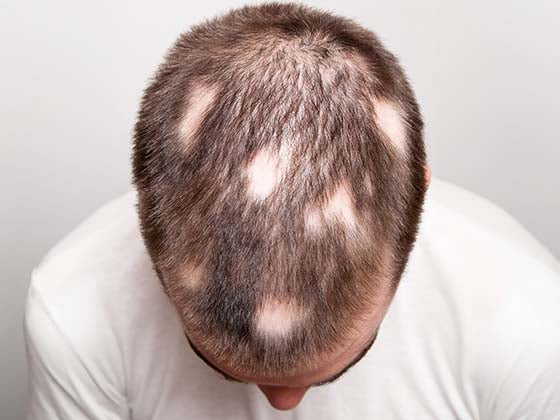


Autoimmune conditions occur when the immune system mistakenly targets healthy tissues, often affecting the skin along with other parts of the body. Conditions such as lupus, psoriasis, vitiligo, and scleroderma can make the skin highly sensitive, reactive, and prone to dryness, irritation, and flare-ups.
Managing this sensitivity requires a gentle and consistent skincare approach that focuses on protecting the skin barrier and reducing triggers. The right routine can help calm inflammation, maintain hydration, and improve overall skin comfort.
In this guide, we’ll break down simple, dermatologist-aligned skincare do’s and don’ts to help you care for autoimmune-prone skin safely and effectively.
Understanding Autoimmune Skin Sensitivity

Autoimmune illnesses develop when the immune system, which typically guards against pathogens, mistakenly targets healthy cells and tissues. Depending on the disease, this immune reaction might impact joints, organs, blood vessels, and, most notably, the skin. Many autoimmune diseases affect multiple organs, and skin symptoms are often one part of a broader condition. Because the skin is the body's largest organ and first line of defense, many autoimmune disorders manifest early as rashes, dryness, or sensitivity.
Skin sensitivity in autoimmune illnesses is generally caused by inflammation, hyperactive immune cells, and a compromised skin barrier. Lupus, for example, can produce photosensitivity, resulting in rashes even after short periods of sun exposure. Psoriasis causes fast skin cell turnover, which results in thick, scaly areas. Scleroderma causes the skin to stiffen and thicken, limiting its elasticity and capacity to retain moisture. Vitiligo, on the other hand, primarily affects pigment-producing cells and increases sensitivity to UV exposure, rather than directly weakening the skin barrier.
Due to this increased sensitivity, daily skincare must be approached with care. Gentle cleansing, regular moisturization, and sun protection are all necessary. Harsh scrubbing, harsh chemical peels, and fragranced products can aggravate irritation and flare-ups. Stress, lack of sleep, and diet may influence inflammation in some cases, but evidence varies across conditions, as the immune system is directly linked to overall lifestyle variables.
Understanding this relationship allows patients to better protect their skin. Recognizing that skin changes are frequently part of the underlying autoimmune process rather than just surface issues allows people to collaborate with dermatologists and rheumatologists to treat symptoms. Sensitive skin in autoimmune disorders might be better protected and supported with careful attention and medical supervision.
How Autoimmune Conditions Impact Your Skin Barrier
The skin barrier is the skin's outermost layer, which acts as a shield to keep moisture in and dangerous things out. In many autoimmune conditions, this protective barrier can become disrupted when the immune system mistakenly targets healthy skin cells, though the extent of damage varies by disease.
Autoimmune disorders, such as psoriasis, accelerate skin cell turnover, resulting in thick, scaly plaques that weaken the barrier and make the skin more susceptible to dryness and infection. In lupus, inflammation can create rashes, ulcers, and photosensitivity, making the barrier susceptible to UV damage. Scleroderma causes the skin to stiffen and thicken, limiting its elasticity and capacity to retain moisture. Vitiligo impairs pigment-producing cells, resulting in lighter regions of skin that are more susceptible to UV exposure, rather than directly weakening the skin barrier.
When the skin barrier is compromised, it loses its capacity to regulate hydration, protect against irritants, and effectively repair itself. Symptoms include redness, itching, dryness, and heightened sensitivity to environmental triggers such as sunshine, cold weather, or harsh chemicals. Even little friction or skincare products that others tolerate can cause irritation or flare-ups.
To support the skin barrier in autoimmune disorders, use gentle cleansers, thick moisturizers containing barrier-repairing components (ceramides, hyaluronic acid, glycerin), and protect the skin with broad-spectrum sunscreen. It is equally crucial to avoid using harsh exfoliants and scents.
Understanding the link between autoimmune activity and skin barrier health can help you manage flare-ups more successfully. Patients can protect their barrier and maintain better skin by using consistent, moderate skincare and following medical advice.
Common Symptoms
Autoimmune disorders frequently impact the skin, which is one of the first sites where symptoms occur. People frequently report inflammation, dryness, and discomfort.
Inflammation happens when the immune system mistakenly targets healthy skin cells. This may result in redness, swelling, heat, or soreness in the affected areas. In psoriasis or lupus, inflammation can manifest as elevated patches, rashes, or painful lesions. Over time, frequent inflammation damages the skin barrier, increasing the likelihood of flare-ups.
Dryness is another common complaint. Autoimmune activity impairs the skin's capacity to retain moisture, and certain disorders, such as scleroderma, can make the skin seem abnormally tight or thick. A weakened barrier also causes natural oils to be lost more quickly, making the skin dry, flaking, and unpleasant. Dryness is not only unpleasant, but it also raises the risk of cracking and infection.
Irritation is common because sensitive, inflamed skin reacts more strongly to triggers including sunshine, soaps, scents, and even friction from clothing. People may experience burning, itching, or stinging sensations after using products that others tolerate well. In autoimmune disorders, the skin might overreact to even little irritants, making regular maintenance more difficult.
To manage these symptoms, take a soft approach: use mild cleansers, apply thick, fragrance-free moisturizers, and avoid sun exposure. Avoiding harsh items and identifying personal triggers can also help reduce discomfort. Understanding these typical symptoms enables individuals to routinely care for their skin and seek medical attention when flare-ups intensify. Symptoms may come and go in cycles known as flare-ups and remissions.
Why Autoimmune Skin Needs Gentle Care
Autoimmune disorders have a distinct effect on the skin, making it significantly more sensitive than normal. Because the immune system incorrectly attacks healthy tissues, the skin barrier frequently becomes fragile, inflammatory, and easily irritated. This implies that even common triggers, such as sun exposure, soaps, or friction, might result in pain, rashes, or flare-ups.
Barrier failure is one of the most common reasons autoimmune skin requires extra delicate care. The outer layer of skin generally retains moisture and protects against irritants. This barrier is disrupted in autoimmune disorders such as lupus, psoriasis, and scleroderma, resulting in dryness, sensitivity, and a diminished healing ability. Without proper support, the skin is more susceptible to infections and long-term discomfort.
Another factor is heightened sensitivity to triggers. A sunscreen or moisturizer that is effective for most people may produce stinging, redness, or itching in someone with an autoimmune condition. Sunlight, temperature fluctuations, and even little friction from clothing can exacerbate irritation. This hypersensitivity necessitates fragrance-free, hypoallergenic, and non-irritating products. Furthermore, inflamed and sensitive skin is more reactive, so aggressive treatments, exfoliants, and intensive skincare routines can worsen irritation. Gentle care, such as utilizing mild cleansers, thick moisturizers, and broad-spectrum sunscreen, helps to protect the skin while not aggravating underlying immunological activity. Certain medications used in autoimmune conditions can also make the skin thinner or more sensitive, increasing the need for gentle care.
Ingredients and Practices to Avoid

When managing autoimmune-related skin sensitivity, knowing what to avoid is just as important as choosing the right products. The skin is often fragile and reactive, so certain ingredients and daily habits can easily trigger irritation, dryness, or flare-ups.
Common triggers include harsh chemicals, hidden irritants in skincare products, and everyday practices that weaken the skin barrier. Identifying these factors early can help reduce discomfort and prevent worsening symptoms.
In the sections below, we’ll break down the key ingredients and habits you should avoid to keep your skin calmer and more protected.
Harsh Chemicals
Autoimmune skin is extremely sensitive, and harsh chemicals can quickly damage the natural barrier, resulting in redness, irritation, or severe flare-ups. Recognizing and avoiding these triggers is critical to preserving skin health.
-
Fragrances and perfume: Synthetic scents, which are widely found in lotions, soaps, and cleansers, are among the leading causes of irritation. They can cause allergic reactions, redness, and itching in sensitive skin.
-
Alcohol-based ingredients: Drying alcohols, such as ethanol or isopropyl alcohol, remove natural oils from the skin, leaving it dry and prone to cracking or irritation.
-
Sulfates: Sodium lauryl sulfate (SLS) and sodium laureth sulfate (SLES), which are commonly found in foamy cleansers and shampoos, can be overly abrasive, breaking the skin's natural barrier and exacerbating dryness.
-
Strong preservatives: Certain preservatives, especially formaldehyde-releasing ones, may irritate sensitive skin.
-
Potent acid and retinoid: Alpha hydroxy acids (AHAs), beta hydroxy acids (BHAs), and retinoids are powerful exfoliators and anti-aging agents, but they can induce blistering, peeling, and flare-ups in already compromised skin barriers unless administered under medical supervision.
-
Harsh cleaning agents: Bleach, detergents, and other strong household chemicals can cause direct skin irritation, especially if the skin is already damaged or dry.
It is important to note that all alcohols are not harmful; fatty alcohols like cetyl and stearyl alcohol are generally safe and moisturizing.
The Hidden Irritants
People with autoimmune disorders often have extremely sensitive skin that is easily inflamed. While many skincare and personal care products appear to be safe, certain hidden substances, including scents, alcohols, and preservatives, might discreetly cause flare-ups, dryness, or rashes.
-
Fragrance is a frequent, yet often missed, irritation. Synthetic scents are found in soaps, lotions, shampoos, and even "unscented" items. They contain dozens of compounds that can cause itching, redness, or allergic responses. Even little fragrance exposure might trigger flare-ups in people with autoimmune skin. Choosing fragrance-free goods is much safer.
-
Another hidden issue is the use of alcohol in skincare products. While some alcohols, such as cetyl or stearyl alcohol, are hydrating and harmless, others, such as ethanol, isopropyl, and denatured alcohol, dry out the skin and remove natural oils. This exacerbates dryness and weakens the skin barrier, making it more susceptible to irritation and infection.
-
Preservatives are necessary for product safety; however, certain preservatives, especially formaldehyde releasers and methylisothiazolinone, are more likely to irritate sensitive skin. They can cause inflammation, allergic responses, or prolonged irritation. Although they serve to inhibit bacterial growth in items, safer options like phenoxyethanol or natural preservatives are more mild.
-
Because these allergens are frequently disguised in ingredient labels, reading packages carefully is essential. Look for "fragrance-free," "alcohol-free," and products formulated for sensitive skin. For autoimmune skin, eliminating hidden irritants maintains the barrier, reduces unneeded flare-ups, and keeps the skin calmer and healthier.
Wrong Skincare Habits
When dealing with an autoimmune disorder, the skin is already sensitive and vulnerable. While skincare is intended to protect and soothe, certain daily activities might unintentionally exacerbate sensitivity, resulting in flare-ups, dryness, or irritation.
-
Over-cleansing: Washing your face or body too frequently, particularly with foamy or harsh cleansers, removes natural oils and destroys the skin barrier. This makes the skin more susceptible to dryness and irritation.
-
Hot showers or baths: They can dry the skin and aggravate inflammation. Lukewarm water is always a safer option for people with autoimmune diseases.
-
Aggressive exfoliation: Scrubbing with abrasive brushes or using chemical exfoliants on a regular basis harms the skin barrier. Already irritated or dry skin may crack, sting, or flare up.
-
Skipping moisturizer: Moisture loss is a big issue with sensitive skin. Not moisturizing right after showering allows water to evaporate, making the skin drier and more brittle.
-
Using fragranced or alcohol-based products: These hidden irritants are commonly found in soaps, toners, and creams. They may induce burning, redness, or itching in autoimmune skin.
-
Trying too many new products at once: Overloading the skin with serums or treatments raises the possibility of irritation. A simple, consistent regimen performs well.
-
Ignoring Sun Protection: UV exposure frequently exacerbates autoimmune-related rashes and pigmentation. Skipping sunscreen exacerbates sensitivity.
Safe Skincare and Soothing Options

For autoimmune-prone skin, the focus should be on using products that support the skin barrier, reduce irritation, and maintain hydration. Since the skin is more reactive, choosing the right alternatives helps minimize flare-ups and improves overall comfort.
A simple routine with well-tolerated ingredients is often more effective than using multiple products. Instead of harsh or aggressive treatments, it is better to rely on mild cleansers, nourishing moisturizers, and protective sun care.
In the sections below, we’ll explore dermatologist-recommended ingredients and natural soothing options that are generally better suited for sensitive, autoimmune-affected skin.
Dermatologist-Recommended Ingredients
Dermatologists prioritize mild, barrier-supporting substances that moisturize, quiet inflammation, and reduce sensitivity without causing flare-ups while treating autoimmune skin. Choosing the proper actives protects delicate skin while increasing comfort and resilience.
-
Ceramides: They are naturally occurring lipids in the skin barrier. They are used in lotions and ointments to replenish moisture, repair barrier function, and minimize dryness and irritation.
-
Hyaluronic acid: It is a potent humectant that attracts water into the skin, keeping it moisturized and plump without blocking pores or causing irritation.
-
Glycerin: It is another humectant that helps to retain water in the skin's outer layer, resulting in long-lasting suppleness and alleviation from tightness.
-
Niacinamide (Vitamin B3): Known for its relaxing, anti-inflammatory effects, niacinamide decreases redness, strengthens the barrier, and enhance skin tone without harshness.
-
Aloe Vera: Aloe is naturally relaxing and cooling, and it helps to reduce irritation, redness, and discomfort. Its mild texture makes it perfect for irritated or dry skin.
-
Colloidal oatmeal: High in antioxidants and lipids, oatmeal relieves itch, reduces sensitivity, and locks in moisture, making it especially beneficial for dry, flaky skin.
-
Shea butter: It is a nutritious emollient that profoundly moisturizes and softens thick, tight, or harsh skin.
-
Mineral sunscreens (zinc oxide, titanium dioxide): It offers broad-spectrum sun protection without stinging, making it suitable for photosensitive conditions such as lupus.
-
Petrolatum: One of the most effective occlusive agents for restoring the skin barrier.
-
Panthenol (Vitamin B5): It helps soothe irritation and supports healing.
Natural Soothers
Natural calming elements can provide gentle treatment for sensitive skin afflicted by autoimmune diseases while reducing inflammation. Aloe vera, oats, and chamomile are among the most popular dermatologist-recommended ingredients, known for their soothing and healing properties.
-
Aloe vera is well-known for its cooling, moisturizing, and anti-inflammatory effects. It alleviates redness, irritation, and moderate itching, making it especially beneficial during flare-ups or after sun exposure. Aloe's gel-like texture delivers lightweight hydration without blocking pores, which is beneficial for skin that is tight or inflamed.
-
Colloidal oatmeal is another effective soother. Its high antioxidant, lipid, and beta-glucan content helps to rebuild the skin's barrier, alleviate irritation, and lock in moisture. Oat extracts are frequently used in lotions, balms, and bath treatments to soothe dry, scaly, or inflammatory skin, which is common in autoimmune disorders such as psoriasis and eczema.
-
Chamomile, whether as an extract or an infused oil, is recognized for its anti-inflammatory and antioxidant properties. It can soothe irritation, reduce redness, and create a gentle protective layer for sensitive skin. Its natural ingredients, including bisabolol, promote healing while lowering discomfort.
Together, these components are generally well tolerated but not risk-free, as natural ingredients can still cause reactions in sensitive skin. They can be combined with moisturizers, soothing masks, or bath soaks to reduce irritation and restore comfort. For the best effects, products should be fragrance-free, dermatologically tested, and patch-tested prior to widespread use. These natural soothers supplement medical therapy, allowing autoimmune-prone skin to remain calmer and stronger.
Skincare Routine
The goal of controlling autoimmune-related skin sensitivity is to protect the skin's barrier, decrease irritation, and keep it hydrated. A moderate, steady practice works best—fewer products, when used correctly, are safer than elaborate regimens.
Morning routine:
-
Cleanser: Use a gentle, fragrance-free cream or gel cleanser that contains no sulfates. Micellar water is another gentler option.
-
Moisturizer: To lock in moisture, use a rich, barrier-repairing cream containing ceramides, hyaluronic acid, or glycerin.
-
Sunscreen: Always apply mineral-based sunscreen (zinc oxide or titanium dioxide). This is especially important for autoimmune conditions like lupus, which are prone to UV sensitivity.
Evening routine:
-
Cleanser: Apply a gentle cleanser or micellar water to remove debris and buildup. Avoid overwashing.
-
Optional soothing treatment: If your skin feels irritated, apply calming agents like niacinamide, colloidal oatmeal, or aloe vera.
-
Moisturizer: To truly nourish overnight, apply a heavier cream or ointment (such as shea butter or petroleum jelly blends).
Weekly routines:
-
Only use very light exfoliants, such as enzyme-based treatments or gentle washcloths, once every 1-2 weeks.
-
Take relaxing baths with colloidal oatmeal to relieve dry, itchy skin.
Lifestyle habits:
-
Keep your showers mild and short.
-
Wear soft, breathable materials to reduce friction.
-
All new goods should be patch-tested before they are used extensively.
An autoimmune-friendly skincare routine should be straightforward, calming, and protective. By prioritizing hydration, sun protection, and barrier repair, sensitive skin can become calmer, stronger, and more pleasant over time.
When to See a Dermatologist

While a gentle skincare routine can help manage mild symptoms, some situations require professional medical guidance. Autoimmune-related skin issues can vary in severity, and early intervention can prevent complications.
You should consider seeing a dermatologist if you experience:
-
Persistent or worsening flare-ups despite using gentle skincare
-
Severe itching, pain, or skin discomfort
-
Sudden changes in skin color, texture, or sensitivity
-
Open sores, cracking, or signs of infection
-
Reactions to skincare products or prescribed treatments
A dermatologist can help identify triggers, adjust treatments, and recommend products that are safe for your specific condition. In many cases, combining medical care with the right skincare routine provides the best results.
Final Thoughts: Personalized Skincare for Autoimmune Conditions

Managing autoimmune-prone skin requires a gentle and consistent approach. Because every condition affects the skin differently, it is important to build a routine that suits your skin’s specific needs and tolerance levels.
Focusing on barrier protection, regular hydration, and avoiding known triggers can go a long way in reducing flare-ups and improving overall skin comfort. Keeping your routine simple and introducing products gradually helps minimize irritation and makes it easier to identify what works best for you.
With the right balance of mindful skincare and medical guidance when needed, it is possible to maintain calmer, healthier skin over time.