Best Face Wash for Oily Skin Recommended by Dermatologists
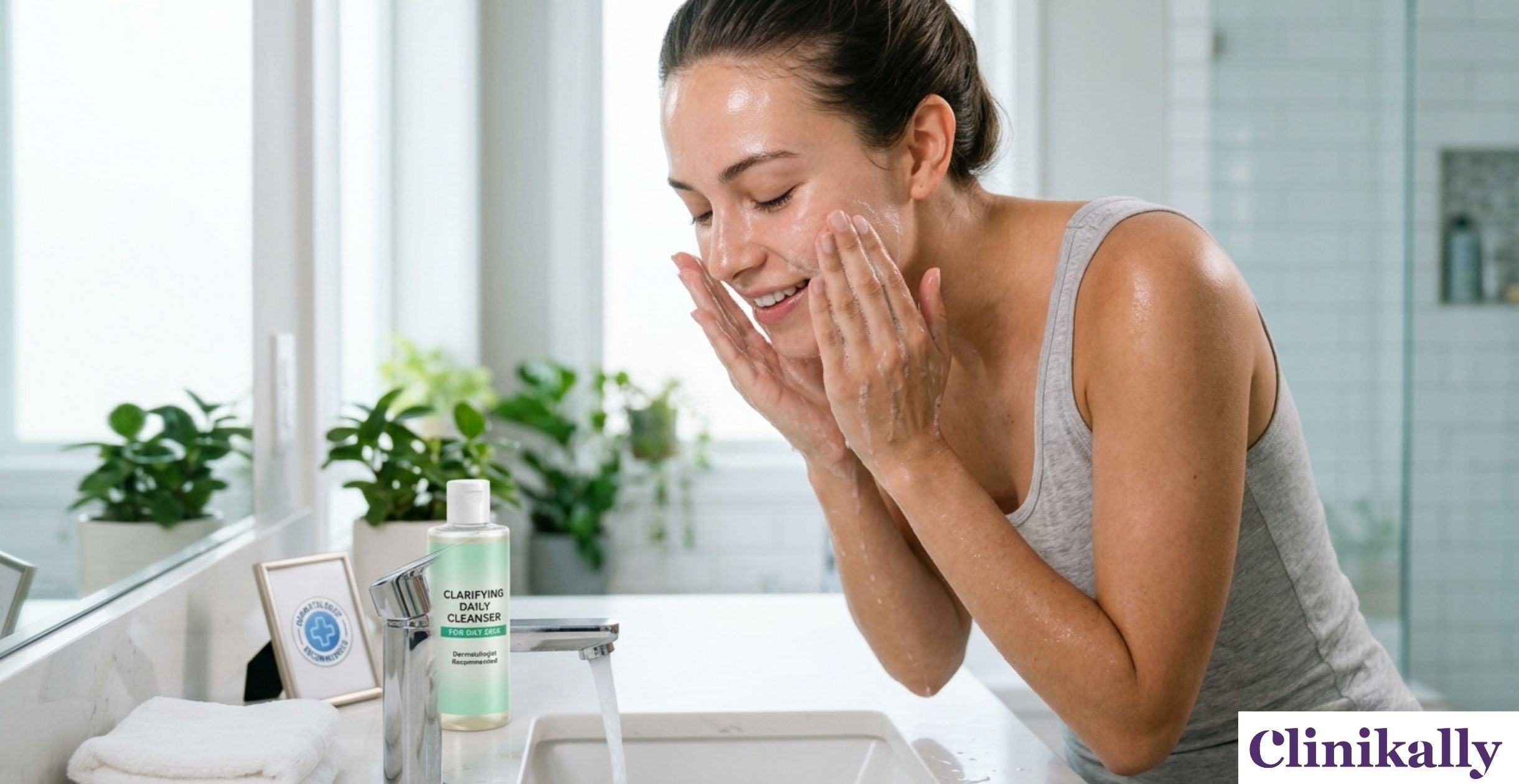
Oily skin can make your face look shiny or greasy, especially in hot and humid weather. Excess sebum, along with dead skin cells, may contribute to clogged pores, blackheads, whiteheads, and pimples. This makes choosing the right face wash an important part of an oily skin care routine. However, a suitable face wash should do more than simply remove excess oil.
A face wash that is too harsh may leave the skin feeling dry, tight, or irritated. People with oily skin and pimples may benefit from ingredients such as salicylic acid, while those with oily and sensitive skin may prefer a milder formula with soothing and hydrating ingredients. In this blog, we will discuss why oily skin needs a suitable face wash and explore some dermatologist recommended options for different skin concerns.
Why Does Oily Skin Need a Different Face Wash?
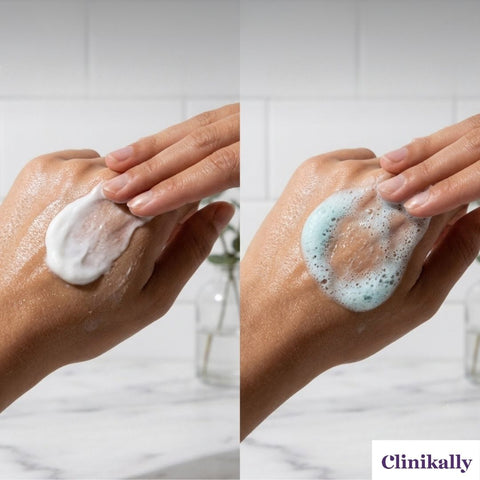
Oily skin needs a face wash that can remove excess oil, sweat, dirt, and impurities without causing excessive dryness or irritation. The right formula can help keep the skin feeling clean and comfortable while supporting the skin barrier. Your choice should also depend on whether you have concerns such as clogged pores, pimples, or sensitive skin.
What Causes Oily Skin?
Oily skin occurs when the sebaceous glands produce excess sebum. Sebum is an oily substance made up of lipids that helps protect and moisturize the skin. However, higher sebum production can contribute to facial shine and clogged pores. Several factors can influence sebum production:
-
Genetics: Sebaceous gland activity can be influenced by your genes, making some people naturally more prone to oily skin.
-
Hormones: Androgens can stimulate the sebaceous glands and increase sebum production. Hormonal changes, particularly during puberty, can therefore affect skin oiliness.
-
Weather: Hot and humid conditions can make oily skin feel greasier and more uncomfortable.
-
Age: Sebum production typically increases during puberty and may change as you get older.
-
Skin Care Habits: Excessive washing, harsh scrubbing, or irritating products can damage the skin barrier and cause dryness, irritation, and discomfort.
Signs You Have Oily Skin
Not sure whether your skin is oily? Look for changes in how your skin feels and looks during the day. Oily skin is commonly associated with excess shine and a greasy feel, while some people may also experience more noticeable pores or breakouts. Some common signs include:
-
Excess Shine: Your face develops a shiny or greasy appearance within a few hours of washing, particularly around the forehead, nose, and chin.
-
Visible Pores: Your pores may appear larger or more noticeable, especially in areas that produce more sebum.
-
Frequent Breakouts: Excess oil can contribute to clogged pores, increasing the likelihood of blackheads, whiteheads, and pimples.
-
Oily Makeup: Foundation or other makeup may become shiny, patchy, or wear off faster because of excess oil.
-
Greasy Skin: Your skin may feel oily or slick later in the day rather than tight, dry, or flaky.
What Should You Look for in a Face Wash for Oily Skin?

Choosing the best face wash for oily skin and pimples starts with understanding which ingredients suit your concerns. Some ingredients help remove excess oil and dead skin cells, while others help maintain hydration and support the skin barrier. Instead of choosing the strongest oil control formula, select ingredients based on your skin type and concerns.
|
Ingredient |
How It May Help Oily Skin |
|
Helps exfoliate dead skin cells and clear pore buildup, making it useful for blackheads, whiteheads, and pimples |
|
|
Exfoliates the skin surface and may help improve rough or uneven texture |
|
|
Mandelic Acid |
Provides surface exfoliation and may be suitable for acne prone skin |
|
Supports the skin barrier and may help reduce some measures of sebum production |
|
|
Zinc PCA |
May have sebum regulating properties and is used in some formulations for oily skin |
|
Aloe Vera |
Helps soothe and hydrate the skin |
|
Helps attract and retain moisture, supporting skin hydration |
6 Best Face Washes for Oily Skin
The best face wash for oily skin depends on your skin type and specific concerns. If you also experience pimples, clogged pores, sensitivity, or uneven pigmentation, certain ingredients may be more suitable than others. Here are some of the best face washes for oily skin often recommended by dermatologists:
|
Product |
Key Ingredients |
Benefits |
|
Salicylic acid, Glycolic acid |
Helps remove excess oil and supports exfoliation and pore care |
|
|
Salicylic acid, Zinc PCA |
Helps cleanse excess oil and supports skin prone to breakouts |
|
|
Glycolic acid, Niacinamide |
Helps cleanse excess oil while providing exfoliating and skin conditioning care |
|
|
Mandelic acid, Vitamin C |
Helps cleanse oily to combination skin while supporting a more even looking complexion |
|
|
Salicylic acid, Glycerin |
Helps remove excess oil and impurities while supporting acne prone skin |
|
|
Mandelic acid, Salicylic acid |
Combines cleansing with exfoliating care for oily and acne prone skin |
1. Ahaglow S Foaming Face Wash
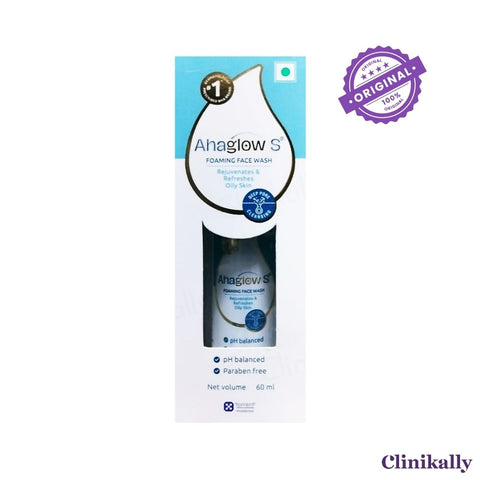
Ahaglow S Foaming Face Wash is formulated for oily and acne prone skin and contains exfoliating ingredients that help remove dead skin cells and pore buildup. It can be considered when excess oil is accompanied by clogged pores or uneven texture. Let’s understand why it stands out:
-
Helps Clear Pore Buildup: Supports removal of excess oil and dead skin cells that can contribute to clogged pores.
-
Suitable for Acne Prone Skin: Its exfoliating ingredients can complement a skin care routine for skin prone to pimples.
-
Supports Smoother Skin: Regular exfoliating care can help improve the feel and appearance of uneven texture.
2. Truderma Face Wash
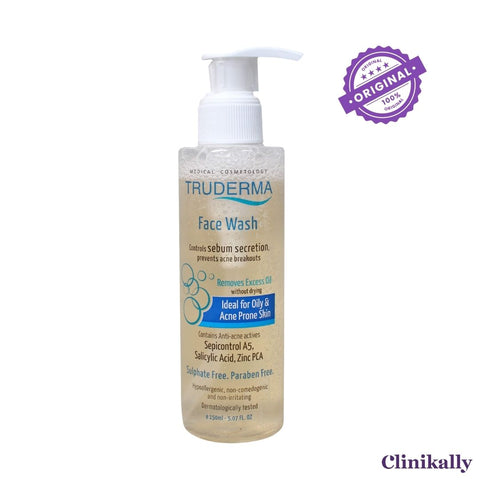
Truderma Face Wash is formulated for oily and acne prone skin. It combines cleansing ingredients with salicylic acid and Zinc PCA to help remove excess oil and impurities while supporting skin prone to breakouts. Here are some of its key benefits:
-
Helps Remove Excess Oil: Cleanses away surface oil and impurities.
-
Supports Pore Care: Salicylic acid helps exfoliate dead skin cells and reduce pore buildup.
-
Suitable for Acne Prone Skin: Can be incorporated into a routine for skin prone to pimples and breakouts.
3. KLM Klin Face Wash
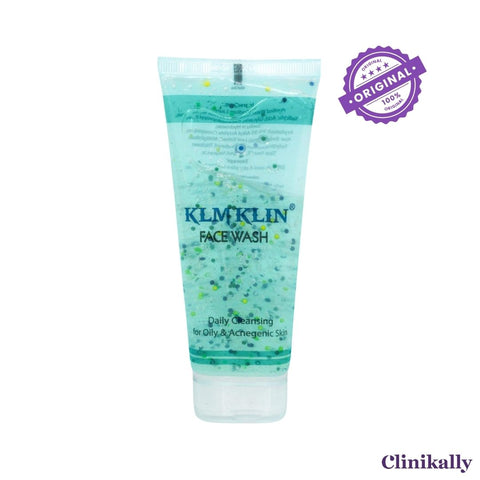
KLM Klin Face Wash is formulated for oily and acne prone skin and combines cleansing with exfoliating care. Its formulation can be useful when excess oil is accompanied by rough or uneven skin texture. Let’s understand what makes it stand out:
-
Provides Exfoliating Care: Glycolic acid helps exfoliate the skin surface.
-
Supports Smoother Texture: Regular exfoliation can help improve the feel of rough or uneven skin.
-
Helps Remove Excess Oil: Cleansing action helps remove excess oil and daily impurities.
4. Yuderma Melarid Triple Action Face Wash
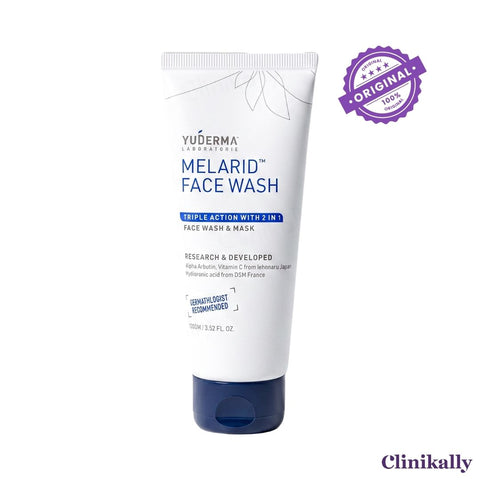
Yuderma Melarid Triple Action Face Wash is a brightening face wash formulated for oily to combination skin. It helps cleanse daily impurities while supporting a more even looking complexion. Let’s have a look at its key benefits:
-
Supports More Even Looking Skin: Its ingredients can complement a routine focused on uneven pigmentation.
-
Helps Refresh Dull Skin: Cleansing helps remove daily buildup and leaves the skin feeling fresher.
-
Versatile Format: Its face wash and mask format can be incorporated into different skin care routines according to the product directions.
5. Adonis DS Acne Face Wash
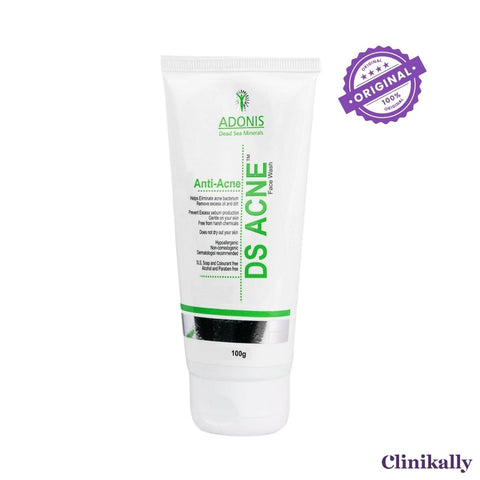
Adonis DS Acne Face Wash is formulated for oily and acne prone skin. It helps remove excess oil, dirt, and impurities while providing cleansing care for skin prone to clogged pores. Here’s why it stands out:
-
Helps Remove Daily Buildup: Cleanses away excess oil, dirt, and impurities.
-
Supports Pore Care: Its formulation can be useful for routines focused on keeping pores clear.
-
Helps Maintain Skin Comfort: Glycerin provides hydrating support during cleansing.
6. Mandisa Foam Face Wash
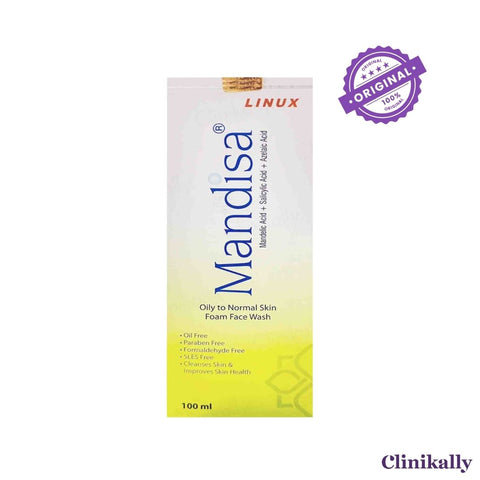
Mandisa Foam Face Wash is formulated for oily and acne prone skin and combines daily cleansing with exfoliating care. It’s key benefits are:
-
Helps Remove Pore Buildup: Salicylic acid supports exfoliation and pore care.
-
Provides Exfoliating Care: Mandelic acid helps exfoliate the skin surface.
-
Supports Clearer Skin: Regular cleansing can help remove excess oil and impurities that contribute to a congested appearance.
How to Choose the Best Face Wash for Oily Skin

The best face wash for oily skin should match your skin's needs without leaving it excessively dry or uncomfortable. Instead of choosing a product based only on claims such as "deep cleansing" or "oil control," consider your main concern and how your skin responds after washing.
-
For Oily Skin with Active Pimples: Look for salicylic acid, which can help exfoliate within the follicle and reduce pore buildup.
-
For Oily and Sensitive Skin: Choose a gentle face wash with soothing and hydrating ingredients. Avoid formulas that leave your skin feeling irritated, tight, or excessively dry.
-
For Oily Skin with Clogged Pores: Salicylic acid can be particularly useful for pore buildup. Other exfoliating acids may also be suitable depending on your skin's tolerance.
-
For Oily Skin with Dark Marks After Acne: Consider ingredients such as azelaic acid, vitamin C, or alpha arbutin that may help improve uneven pigmentation.
-
If Your Skin Feels Tight After Washing: Choose a milder formula that leaves your skin feeling clean without excessive dryness.
-
If Your Skin Becomes Greasy Quickly: Choose a formula that removes excess oil effectively but avoid repeated washing throughout the day unless needed after heavy sweating.
Common Face Washing Mistakes for Oily Skin
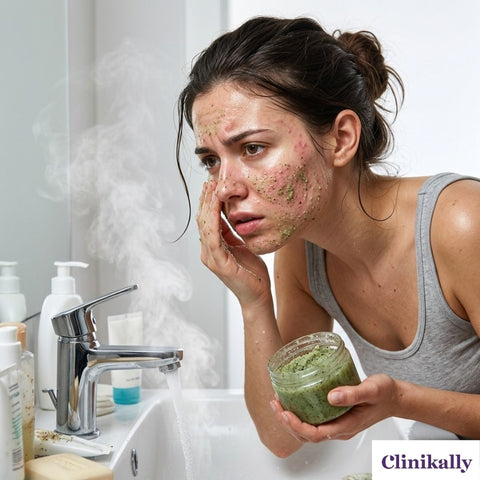
Using a face wash correctly is just as important as choosing one that suits your skin. Over washing, harsh scrubbing, and improper use can increase dryness and irritation. Avoid these common mistakes:
-
Washing Your Face Too Often: For most people, washing once or twice daily is enough. You may also wash after heavy sweating.
-
Using Hot Water: Very hot water can increase dryness and irritation. Use lukewarm water instead.
-
Scrubbing Hard: Harsh scrubbing can irritate the skin and worsen inflammation, especially when you have pimples. Use gentle washing instead.
-
Skipping Moisturizer: Oily skin still needs hydration. Choose an oil free, non comedogenic moisturizer to help maintain skin comfort and hydration.
-
Leaving the Face Wash on Too Long: Follow the product instructions. Keeping a rinse off face wash on longer does not necessarily improve results and may increase irritation.
When Should You See a Dermatologist for Oily Skin?
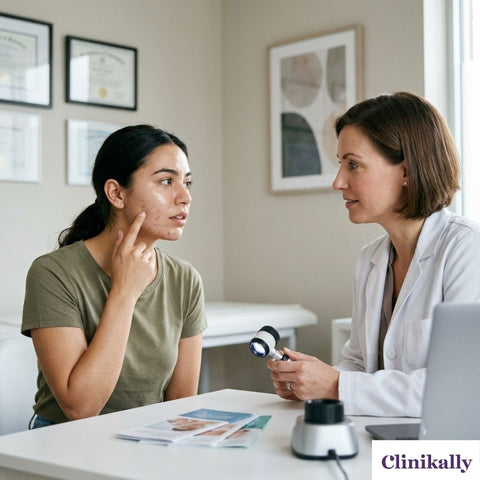
Oily skin is common and can often be managed with a suitable skin care routine. However, persistent acne or significant irritation may require professional evaluation. Consider consulting a dermatologist if you have:
-
Frequent or Painful Pimples: Frequent or painful breakouts may need professional evaluation and targeted treatment.
-
Deep or Inflamed Acne: Deep, swollen, or inflamed acne lesions can increase the risk of scarring and may require medical treatment.
-
Acne Scarring: Acne that leaves scars or pitted marks should be assessed to help prevent further scarring.
-
Persistent Blackheads or Whiteheads: Ongoing clogged pores despite a consistent skin care routine may benefit from professional advice.
-
Significant Redness or Irritation: Persistent redness, burning, or irritation may indicate that your products or routine are not suitable for your skin.
-
Excessive Dryness from Acne Products: Significant dryness or irritation from acne products may require changes to your routine or treatment.
A dermatologist can determine whether your symptoms are related to oily skin or another skin condition. They can also recommend appropriate acne treatments when a face wash and basic skin care routine are not enough.
Remember that a face wash can support skin hygiene and acne care, but it cannot replace medical treatment when acne is moderate, severe, persistent, or causing scars.
Final Thoughts
The best face wash for oily skin should remove excess oil, sweat, dirt, and buildup without leaving the skin excessively dry or irritated. Ingredients such as salicylic acid may be particularly useful for oily skin with clogged pores and pimples, while ingredients such as niacinamide, glycerin, and aloe vera can support skin comfort and hydration.
Choose a face wash according to your skin concerns and tolerance rather than simply choosing the strongest oil control formula. If your acne is persistent, painful, severe, or causing scars, consult a dermatologist for appropriate treatment.