7 Best Conditioners for Frizzy Hair: Dermatologist’s Picks

Frizzy hair happens when the protective outer layer of your hair gets dry, rough, and lifted instead of staying flat. When this layer opens up, moisture from humid air sneaks inside the hair strand, making it swell up and stick out in every direction. This leaves your hair feeling rough, tangled, dull, and much more likely to break or get split ends.
Conditioners fix this by acting like a protective coat and seal for each hair strand. They contain ingredients that smooth down those lifted outer layers and lock in healthy moisture. This creates a waterproof barrier that keeps sticky humidity out, stops static flyaways, and leaves your hair feeling soft, shiny, and easy to comb. In this writeup, we’ll understand the role of conditioners, and find out some of the best conditioners for frizzy hair recommended by dermatologists.
Understanding the Role of Conditioners for Frizzy Hair
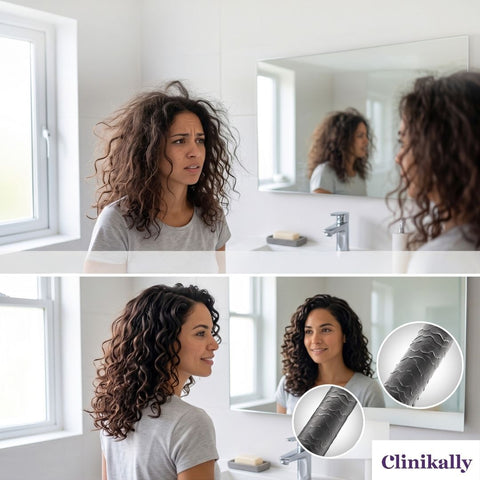
Conditioners play an important role in managing frizz, they’re not just a wash-day cosmetic, but a daily protective product for vulnerable hair fibers. While shampoos cleanse up your hair by stripping away dirt, sweat, and oils, conditioners make them manageable. Let’s have a look at the essential role of conditioner:
1. Preventing Physical Damage
Hair strands constantly rub against each other, as well as against clothing and pillows. Frizzy hair has a rough surface, so this rubbing creates friction that weakens the strands over time. The conditioner for frizzy hair coats each hair fiber in a smooth, slippery layer. This reduces friction during brushing, preventing the hair from snapping and splitting.
2. Restoring Healthy Shine
Smooth surfaces reflect light evenly, which gives hair a glossy appearance. Frizzy hair has an uneven surface that scatters light in different directions, making it look dull. The conditioner fills in the tiny cracks along the hair strand, creating a smooth surface so light can bounce off evenly, restoring your hair's natural shine.
3. Balancing Moisture Needs
Heat styling, sun exposure, and hair dye create uneven damage along your hair. The ends are usually much drier and more damaged than the roots near your scalp. The conditioner for frizzy hair acts as a targeted treatment, sticking more strongly to the damaged areas. This ensures your hair gets equal moisture protection from top to bottom.
4. Improving Hair Elasticity
Dehydrated hair loses its stretch and becomes stiff and brittle. When dry hair bends, it is more likely to break instead of springing back into shape. Conditioning ingredients penetrate the outer layers of the hair to restore hydration. This brings back the natural elasticity of the hair fiber, helping it drape and move softly instead of puffing out.
5. Protecting Against Weather Changes
Fluctuations in humidity and weather constantly pull moisture into or out of unprotected hair fibers. The conditioner creates an invisible barrier around each strand. This barrier shields your hair against moisture shifts in the air, wind, and heat, keeping your hair manageable throughout the day.
Top 7 Conditioners for Frizzy Hair
To get the maximum out of your hair conditioner, you need to choose products with the accurate formulations that reduce frizz and manage your frizzy hair smoothly. To make your search easy, here are 7 best conditioners for frizzy hair recommended by dermatologists:
|
Product Name |
Key Ingredients |
Key Benefits |
|
Cetearyl Alcohol, Behenyl Alcohol, Babassu Oil, Octyldodecanol, Erythritol, Isoamyl Laurate, Aspartic Acid, Ethylhexylglycerin, Phenoxyethanol, Guar Hydroxypropyltrimonium Chloride, Astrocaryum Murumuru Seed Butter, Brassicamidopropyl Dimethylamine |
|
|
|
Oenocarpus Bataua Fruit Oil, Hydrolyzed Plukenetia Volubilis Seed Extract, Argania Spinosa Kernel Oil, Guar Hydroxypropyltrimonium Chloride, Sweet Almond Oil, Steareth 21, Sebacic Acid Copolymer, Isoamyl Laurate, Cetyl Alcohol, Cetearyl Alcohol |
|
|
|
Water, Butyrospermum Parkii (Shea) Butter, Olea Europaea (Olive) Fruit Oil, Arachis Hypogaea (Peanut) Oil, Sesamum Indicum (Sesame) Seed Oil, Juglans Regia (Walnut) Seed Oil, Prunus Amygdalus Dulcis (Sweet Almond) Oil, Simmondsia Chinensis (Jojoba) Seed Oil, Hydrolyzed Soy Protein, Hydrolyzed Wheat Protein, Citric Acid, Lavandula Angustifolia (Lavender) Oil |
|
|
|
Dimethicone, Cetrimonium Chloride, Cyclopentasiloxane, Phenoxyethanol, Sodium Stearate, Potassium Sorbate |
|
|
|
Aqua, Cetearyl Alcohol, Behenyl Alcohol, Brassicamidopropyl Dimethylamine, Cetyl Esters, Astrocaryum Murumuru Seed Butter, Hydrolyzed Pea Protein, Orbignya Speciosa Kernel Oil, Aspartic Acid |
|
|
|
Purified Water, Milk Protein (Lactis Proteinum), Lactose, Acetyl Cysteine, Citric Acid, Pisum Sativum (Pea) Sprout Extract, Caprylhydroxamic Acid, Brassicamidopropyl Dimethylamine, Olea Europaea (Olive) Fruit Oil |
|
|
|
Cetyl Alcohol, Dimethicone, Argania Spinosa Kernel Oil, Hydroxyethylcellulose, Phenoxyethanol, Citric Acid |
|
1. Re'equil Anti-Frizz & Smoothening Hair Conditioner

This daily rinse-out conditioner is formulated to restore moisture balance to dry, unruly hair without weighing down your style. It provides instantaneous slip during washing, making detangling effortless while sealing the cuticle layer to prevent moisture loss throughout the day.
It utilizes a lightweight blend of Murumuru seed butter, Babassu oil, and botanical esters that mimic natural scalp lipids. Instead of relying on heavy waxes, it smooths down raised cuticles with a non-greasy finish that leaves hair bouncy and soft.
Who Should Avoid It: People with extremely fine, ultra-thin hair or very oily scalps who need maximum root volume, as natural seed butters can occasionally weigh down very flat hair if over-applied.
2. Pilgrim Patuá & Keratin Hair Smoothening Conditioner
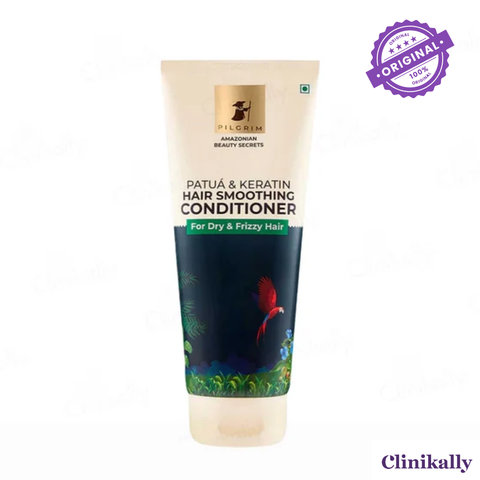
It’s a targeted repair conditioner formulated to rebuild fragile, heat-damaged, or over-processed hair fibers. It works from the inside out to reinforce structural integrity while creating an external barrier against daily environmental stressors.
The formula combines Amazonian Patuá oil, rich in essential fatty acids, with hydrolyzed keratin proteins. These micro-proteins fit directly into structural gaps along damaged cuticles, temporarily filling in cracks to prevent snapping, splitting, and static flyaways.
Who Should Avoid It: Individuals with protein-sensitive hair (hair that feels stiff, rough, or straw-like when exposed to protein treatments) or those with completely un-damaged, low-porosity hair that does not require structural protein rebuilding.
3. Philip B Lightweight Deep Conditioner
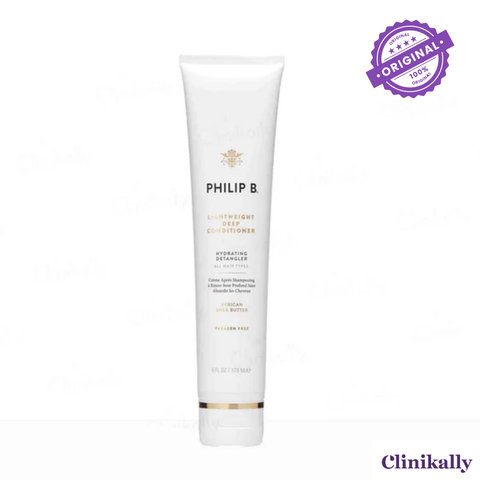
It’s a luxurious, botanical-heavy deep conditioner designed to infuse deep moisture into parched strands. It works as an intensive hydrating treatment that revitalizes dull texture and enhances natural hair flexibility.
It features an extensive blend of nutrient-dense natural seed oils (Shea, Olive, Peanut, Sesame, Walnut, Sweet Almond, and Jojoba) combined with hydrolyzed soy and wheat proteins. This rich botanical matrix drenches dry hair in lipids while keeping the hair strand feeling pliable rather than stiff.
Who Should Avoid It: Anyone with nut or peanut allergies, as it explicitly contains Peanut and Walnut oils. Additionally, those who prefer pure synthetic silicone-based formulas for ultra-coarse, thick hair might find this all-plant blend less heavy-duty for extreme frizz control.
4. Beauty Garage K9 Frizz Dismiss Conditioner
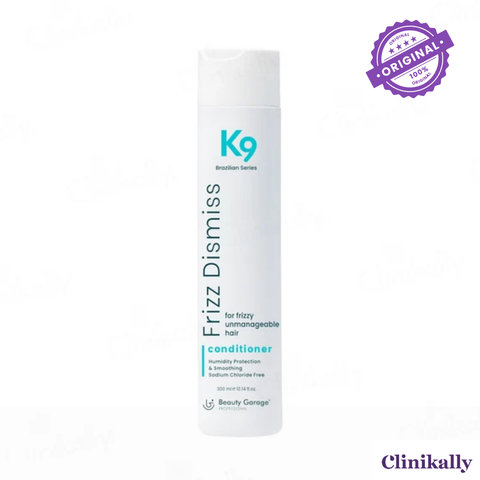
It’s a salon-grade, high-performance conditioning treatment designed specifically to combat intense atmospheric humidity and persistent frizz. It provides a long-lasting, sleek finish for unruly hair textures.
It leverages advanced siloxanes (Dimethicone and Cyclopentasiloxane) paired with Cetrimonium Chloride. This creates a powerful, hydrophobic (water-repelling) shield over the entire hair shaft, neutralizing static charges instantly and preventing humid air from penetrating the core.
Who Should Avoid It: Individuals who strictly follow silicone-free hair routines or the "Curly Girl Method," as the non-water-soluble silicones in this product require periodic clarifying washes to prevent long-term build-up.
5. Re'equil Damage Repair Hair Conditioner
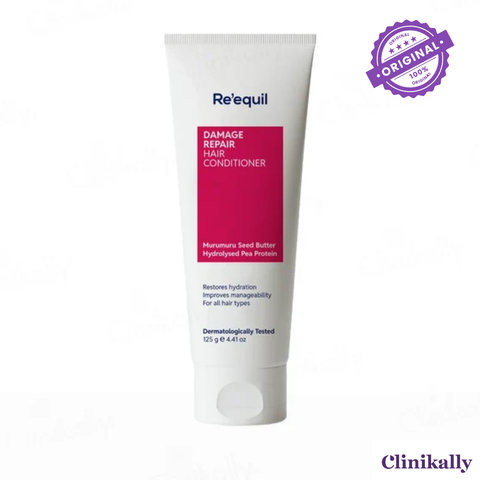
It’s a rich, creamy restorative mask-like conditioner focused on softening brittle textures, sealing split ends, and strengthening weakened hair shafts from root to tip.
It combines Hydrolyzed Pea Protein with Orbignya Speciosa Kernel Oil and Murumuru Butter. This combination specifically restores elasticity to over-stressed hair, helping curls and waves regain their natural definition and spring without frizz.
Who Should Avoid It: Anyone looking for a fast, ultra-sheer daily conditioner for healthy, untouched hair. The rich lipid and protein concentration can be overly heavy for low-porosity or undamaged hair types.
6. Q-Sera Leave-In Conditioner
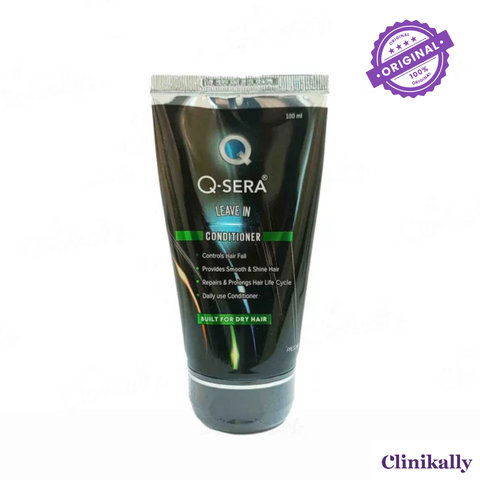
This multi-benefit, daily leave-in treatment is formulated to deliver continuous, round-the-clock hydration and frizz protection while supporting hair density and scalp health.
Unlike rinse-out products, this leave-in formula stays on the hair fiber all day. It contains Milk Protein, Lactose, and Pea Sprout Extract, which work together to stimulate dermal papilla cells, extend the hair growth phase, and shield strands against continuous daily friction.
Who Should Avoid It: People with known dairy, milk protein, or lactose allergies. It may also not suit individuals with extremely fine hair who prefer zero product residue left on their strands after washing.
7. Beauty Garage Keratin Smooth Daily Conditioner
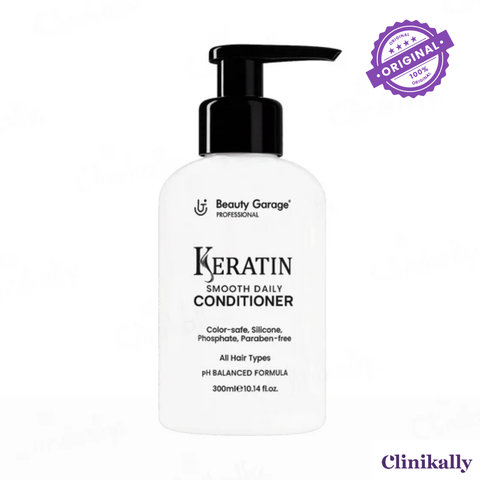
This daily-use keratin conditioner is designed to maintain and prolong professional smoothing treatments, leaving hair silky, soft, and easy to comb.
It blends pure keratin proteins with moisturizing agents like Argan Oil, Shea Butter, and Aloe Vera in a mild base. This provides a balance of internal strand fortification and surface-level cuticle smoothing for a polished finish after every wash.
Who Should Avoid It: Low-porosity hair types that build up easily when exposed to frequent dimethicone and heavy butter combinations, as well as those whose hair reacts poorly to daily protein exposure.
How to Use Conditioners Effectively for Frizzy Hair?
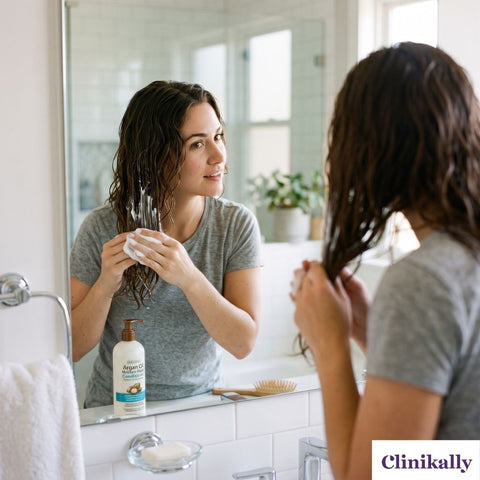
Applying conditioner correctly is just as important as choosing the right product. Following proper application techniques ensures maximum moisture absorption and long-lasting frizz control.
-
Start with Towel-Blotted Hair: Excess water dilutes your conditioner and causes it to slide right off the hair shaft. After rinsing out your shampoo, gently squeeze out excess water with a microfiber towel before applying conditioner.
-
Focus on Mid-Lengths to Ends: The scalp produces natural sebum, making the roots less prone to dryness. Concentrate your conditioner from the mid-lengths down to the ends, where hair is oldest, driest, and most vulnerable to frizz.
-
Rake and Comb Through for Uniform Distribution: Simply slapping conditioner onto the outer layer leaves inner strands dry. Distribute the product evenly by finger-combing or using a wide-tooth comb through wet hair.
-
Allow Adequate Dwell Time: Rinse-out conditioners require 2–3 minutes to properly bond to the hair shaft and flatten raised cuticles. Deep conditioning treatments or masks should be left on for 5–10 minutes for optimal protein and lipid absorption.
-
Rinse with Cool or Tepid Water: Avoid scalping hot water, which can cause the cuticle layer to swell and lift. Rinsing with cooler water helps shrink the cuticle tight against the strand, sealing in moisture and boosting shine.
-
Follow with a Leave-In Barrier on High-Humidity Days: If your hair is coarse, wavy, or highly porous, apply a lightweight leave-in conditioner or anti-frizz serum immediately to damp hair to lock in hydration and block atmospheric humidity.
Final Thought: Dealing with Frizz the Right Way
Frizzy hair occurs when dry, damaged cuticles lift up and absorb atmospheric humidity, leading to swelling, tangling, and dullness. Conditioners effectively combat this issue by smoothing the outer cuticle layer, neutralizing static charges, restoring essential moisture, and forming a protective barrier against environmental shifts. Depending on your specific hair texture and porosity, choosing the right formula helps reduce friction, enhance shine, and keep your hair smooth, healthy, and manageable.
While understanding product ingredients and general hair science is helpful, everyone's scalp health and hair structure are unique. Before introducing any new conditioner, it is always best to consult a dermatologist or a qualified hair specialist. A professional can accurately assess your scalp condition, evaluate potential allergies or sensitivities, and guide you for better and effective results.