6 Best Soaps for Sensitive Skin Recommended by Dermatologists
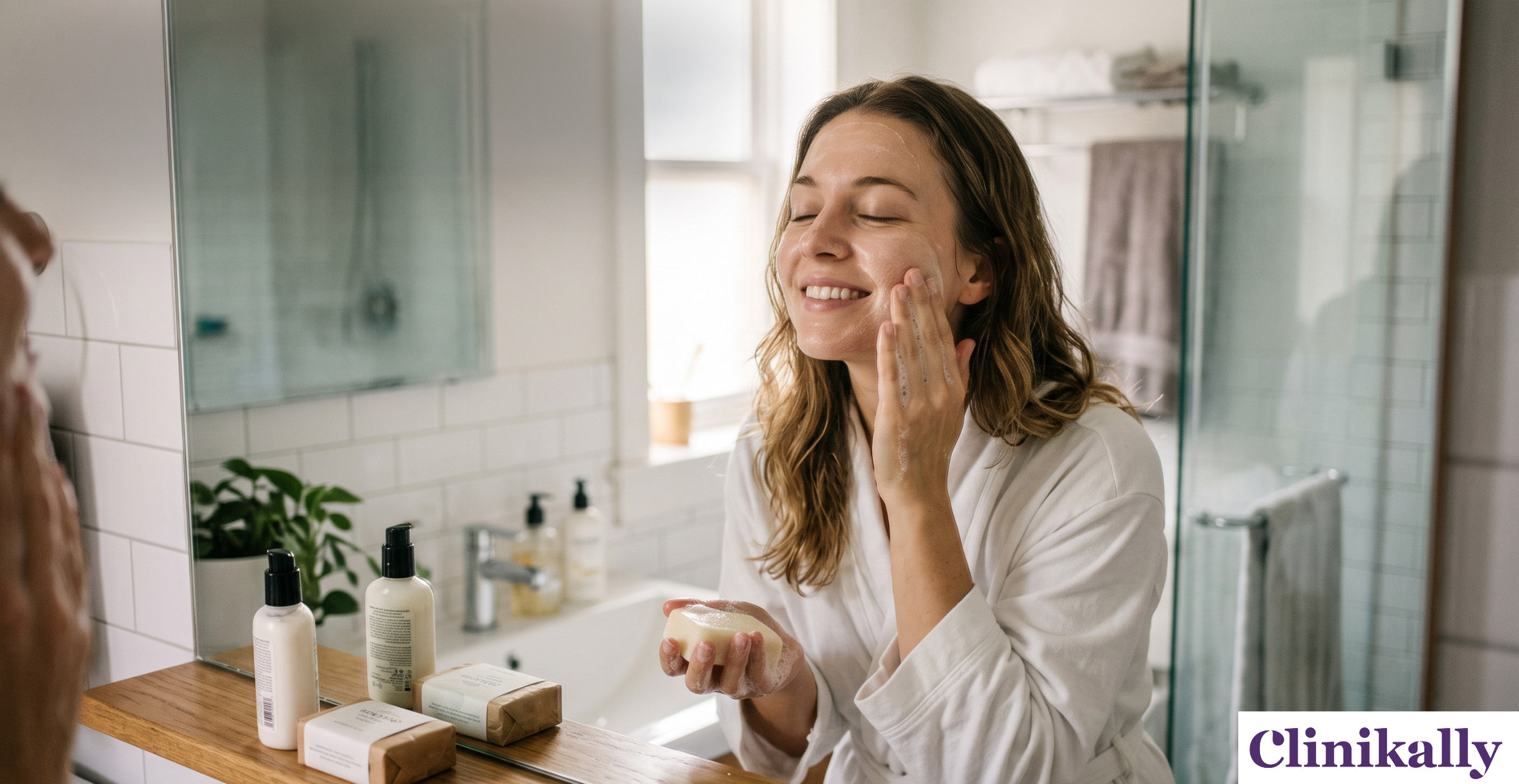
If your skin routinely feels tight, itchy, or visibly irritated right after a shower, your cleanser is likely to blame. Traditional bar soaps are made through a process called saponification, which creates a highly alkaline product (often with a pH between 9 and 10). When applied to sensitive skin, these harsh bars alter your skin's natural acidic mantle (which sits around a pH of 5.5), dissolving essential lipids and leaving your barrier compromised.
Dermatologists generally steer patients away from traditional alkali soaps and toward syndet (synthetic detergent) bars and soap-free cleansers. These synthetic bars use mild surfactants that cleanse away sweat and environmental grime without stripping the skin's moisture barrier, keeping dryness, eczema flare-ups, and redness at bay. In this blog, we’ll learn the impact of choosing the right soap, and find out some of the best soaps for sensitive skin that offer promising results.
How the Right Soap Benefits Sensitive Skin

If your skin frequently turns red, feels tight, or stings, your everyday cleanser might be the main reason behind it. Regular soaps often rely on harsh detergents and strong fragrances that strip away your natural oils. Switching to a gentle, pH-balanced formula brings immediate, noticeable relief to your daily routine:
-
Protects the Skin Barrier: Cleanses away dirt without stripping natural oils, preventing that dry, tight feeling post-wash.
-
Soothes Redness and Irritation: Fragrance-free and hypoallergenic formulas reduce flare-ups, stinging, and allergic reactions.
-
Balances Your Skin's Natural pH: Keeps your acid mantle intact, making it harder for irritants and harmful bacteria to cause trouble.
-
Adds an Extra Layer of Moisture: Formulated with nourishing ingredients like glycerin and ceramides to leave skin hydrated and soft.
Best Soaps for Sensitive Skin: Dermatologist’s Picks
Finding the right soap for sensitive skin is a hard nut to crack and requires the understanding of skin types, reactivity with different ingredients, and finding the right product. Thus to ease your search, here’s a some of the best soaps for sensitive skin, recommended by dermatologists:
|
Product Name |
Key Ingredients |
Benefits |
|
Colloidal Oatmeal, Liposomal Ceramide, Hyaluronic Acid, Olive Oil, Blend of 5 Butters (Shea, Cocoa, Mango, Kokum, Tucuma) |
|
|
|
100% Soap-Free Syndet Base, Mild Cleansers, Maltodextrin, 2-Octyl Dodecanol |
|
|
|
Bioderma Atoderm Intensive Pain Ultra-Soothing Cleansing Bar |
Vitamin PP (Niacinamide), Shea Oil, Glycerin, Zinc Sulfate, Skin Barrier Therapy™ Patented Complex |
|
|
Soap-Free Syndet Base, Shea Blend, Sodium Cocoyl Isethionate |
|
|
|
Sodium Potassium Sulfosuccinate, Shea Butter (Butyrospermum Parkii), Dimethicone |
|
|
|
Glycerin, Shea Butter, Olive Oil, Jojoba Oil, Avocado Oil |
|
1. Aqua Oat Cleansing & Moisturizing Syndet Bar
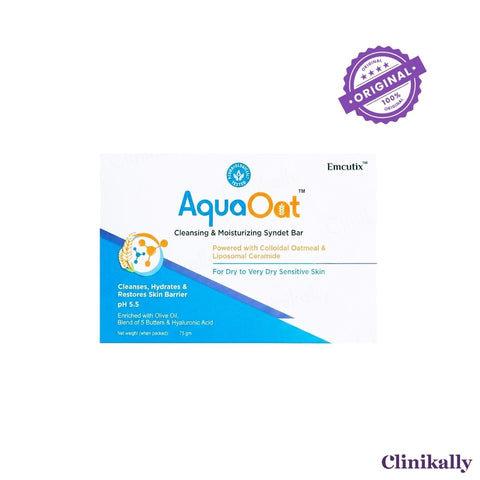
This bar brings together a power-packed blend of colloidal oatmeal, liposomal ceramides, hyaluronic acid, and five natural seed butters (Shea, Cocoa, Mango, Kokum, and Tucuma). Colloidal oatmeal works by forming a protective film over the skin, locking in moisture while suppressing pro-inflammatory cytokines to instantly reduce redness and itch. The addition of liposomal technology allows the ceramides and hyaluronic acid to penetrate deeper layers of the epidermis, repairing micro-tears in the lipid matrix.
Dermatologists often prescribe this bar for compromised skin barriers because it offers a multi-action approach to healing by combining anti-inflammatory soothing agents with deep barrier-rebuilding lipids in a single step.
Who Should Avoid It:
People with extremely acne-prone skin on the body should use it with caution, as its ultra-rich botanical butter blend may prove too heavy or potentially comedogenic for easily clogged pores.
2. Tedibar Bathing Bar
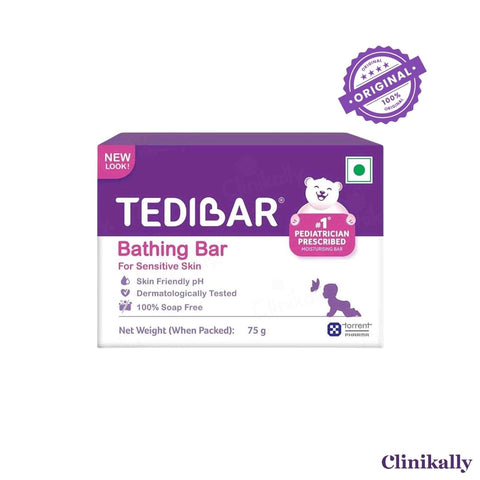
Formulated at an exact, skin-friendly pH of 5.5, Tedibar matches the natural acid mantle of human skin. Traditional soaps strip this critical layer, but Tedibar uses a mild, 100% soap-free syndet base containing maltodextrin and gentle cleansers. It works by removing surface dirt and sweat through soft, non-ionic surfactants that do not solubilize or wash away your skin's natural intercellular lipids.
As a gold standard in pediatric dermatology, Tedibar is widely prescribed for delicate infant skin and hypersensitive adults alike because it guarantees zero disruption to the skin's fragile barrier.
Who Should Avoid It:
Individuals seeking deep-pore cleansing, intense degreasing, or active exfoliation should avoid it, as its ultra-gentle formula is not designed to control active acne or heavy sebum production.
3. Bioderma Atoderm Intensive Pain Ultra-Soothing Cleansing Bar

This bar utilizes Bioderma’s patented Skin Barrier Therapy™ complex alongside Vitamin PP (Niacinamide) and shea oil. It actively prevents Staphylococcus aureus bacteria, a common trigger for severe eczema flare-ups, from adhering to dry skin surfaces. Simultaneously, Niacinamide stimulates the skin's natural synthesis of lipids, encouraging your body to repair its own barrier from within every time you bathe.
Dermatologists favor it for severe eczema and atopic dermatitis because it moves beyond basic hydration by actively balancing the skin's microbiome while calming intense itch-scratch cycles.
Who Should Avoid It:
Anyone with naturally oily skin or active facial acne should pass on this bar, as its high lipid density and rich emollient base are far too heavy for non-dry skin types.
4. Moisturex Syndet Bathing Bar
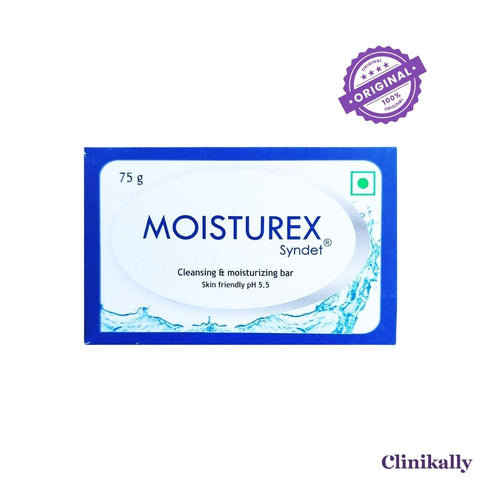
Moisturex combines a soap-free syndet base with a rich shea blend and gentle surfactants like Sodium Cocoyl Isethionate. It functions by creating an invisible, breathable occlusive film across the stratum corneum during cleansing. This micro-layer prevents transepidermal water loss during and after your shower, ensuring that moisture stays trapped inside your skin cells rather than evaporating into the air.
It is a go-to clinical recommendation for chronic dermatological conditions like scaling, dermatitis, and severe winter xerosis due to its exceptional ability to prevent post-wash moisture loss.
Who Should Avoid It:
Avoid it if you prefer a squeaky-clean or high-foaming wash, as its heavy moisture-retention coating leaves a soft, protective residue that oily or sweat-prone individuals might dislike.
5. Cetaphil Cleansing & Moisturising Syndet Bar
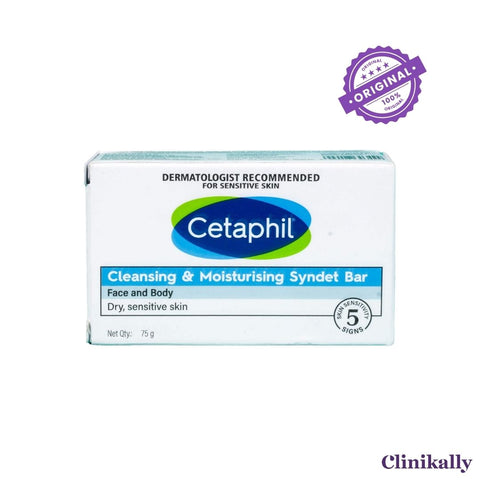
Backed by decades of dermatological research, this bar uses a proprietary blend of Sodium Potassium Sulfosuccinate, Shea Butter, and Dimethicone. As the mild cleansers sweep away daily impurities, Dimethicone acts as a skin protectant that smooths out rough keratin scales on the surface, while Shea Butter restores essential fatty acids to keep the epidermis flexible and soft.
It is explicitly engineered and clinically tested to combat the five key signs of skin sensitivity: dryness, irritation, roughness, tightness, and a weakened barrier.
Who Should Avoid It:
Those looking for a completely natural or plant-only formulation might want to look elsewhere, as it relies on standard synthetic dermatological agents like Dimethicone to achieve its protective seal.
6. Venusia Hydrating Cleanser Syndet Bar
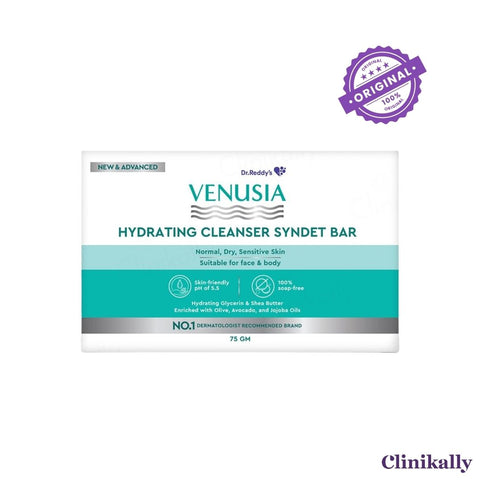
Venusia merges four rich botanical emollients (Shea Butter, Olive Oil, Avocado Oil, and Jojoba Oil) into a single soap-free cleansing bar. Because Jojoba and Avocado oils closely mimic human sebum, the bar works by replacing missing epidermal lipids during the washing process. This prevents the tight, pulled sensation common after showering while delivering antioxidants directly to dry skin cells.
Dermatologists appreciate Venusia for dry-to-sensitive skin because it balances effective cleansing with intensive lipid replenishment, making it ideal for harsh weather or dry climates.
Who Should Avoid It:
People with active facial breakouts, chest acne, or very oily skin should avoid using this bar on affected areas, as the concentrated botanical oils can clog pores and exacerbate congestion.
Key Ingredients to Look For In Your Sensitive Skin Soaps

Exploring different skincare brands to find a bar that truly comforts sensitive skin comes down to recognizing a few hero ingredients. When shopping for a dermatologist-approved cleansing bar, look for these barrier-building, hydration-locking components on the label:
1. Ceramides
Ceramides are lipid molecules that naturally make up roughly 50% of your skin barrier. Washing with harsh traditional soaps dissolves these critical fats, leaving micro-gaps where moisture escapes and irritants enter. Syndet bars enriched with ceramides replenish your skin's lipid reservoir while you wash, locking in moisture and sealing the stratum corneum against external stressors.
2. Colloidal Oatmeal
Long celebrated in clinical dermatology, colloidal oatmeal is finely ground oat flour suspended in a liquid or solid matrix. It contains natural beta-glucans and avenanthramides that actively soothe skin reactivity, calm redness, and reduce itchiness. It acts as a gentle, natural anti-inflammatory shield during bathing.
3. Humectants (Glycerin & Hyaluronic Acid)
Unlike heavy oils that sit on top of the skin, humectants work by drawing water from the environment into the epidermis. Glycerin and Hyaluronic Acid are humectant powerhouses. When formulated into a soap-free bar, they ensure that cleansing adds hydration directly to skin cells rather than stripping it away.
4. Niacinamide (Vitamin B3)
Niacinamide is a versatile restorative vitamin that calms surface inflammation while encouraging your skin to produce its own natural ceramides. Cleansers containing Niacinamide help improve skin barrier integrity over time, making hyper-reactive skin less prone to redness and flare-ups.
5. Mild Surfactants (Sodium Cocoyl Isethionate & Sulfosuccinates)
The cleansing agents themselves matter just as much as the moisturizing additives. Look for coconut-derived surfactants like Sodium Cocoyl Isethionate or Disodium Lauryl Sulfosuccinate. These gentle alternatives create a rich lather and lift dirt away without disrupting your skin's natural acidic mantle or stripping essential sebum.
Final Thought: Making Informed Choices to Manage Sensitive Skin
Managing sensitive skin does not require a complete change of your entire routine; sometimes, it simply starts with replacing your shower bar. Switching from a harsh, alkaline traditional soap to a gentle, pH-balanced syndet cleanser is one of the most immediate and effective ways to stop post-bath tightness, redness, and itching at the source.
By prioritizing barrier-supportive ingredients like ceramides, colloidal oatmeal, and mild surfactants, you give your skin the hydration and protection it needs to thrive. However, because even gentle ingredients can trigger unexpected reactions in highly reactive skin, it is always best to consult a dermatologist before introducing any new skincare product to your routine. A specialist can help pinpoint your exact triggers and ensure your chosen bar aligns perfectly with your skin's unique needs.